Video: Sequence
24 mins
Daily sequence focusing on backbends
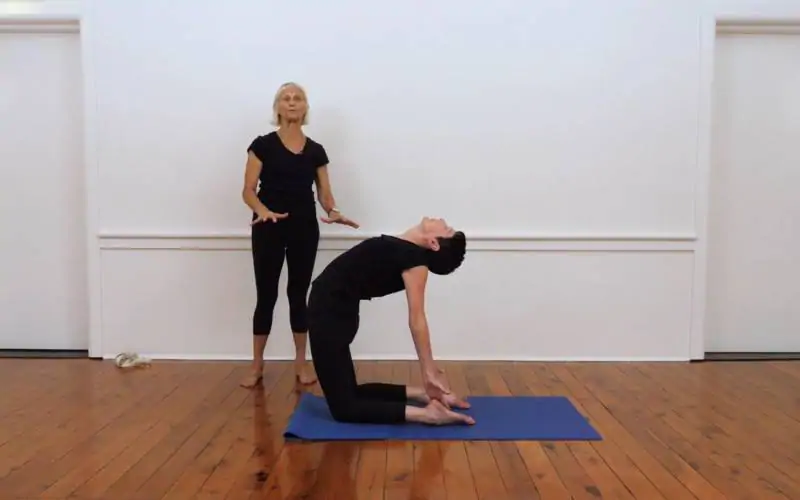
A nice short session of back opening and backbending poses.
Found 68 results, page 3 of 3
A nice short session of back opening and backbending poses.
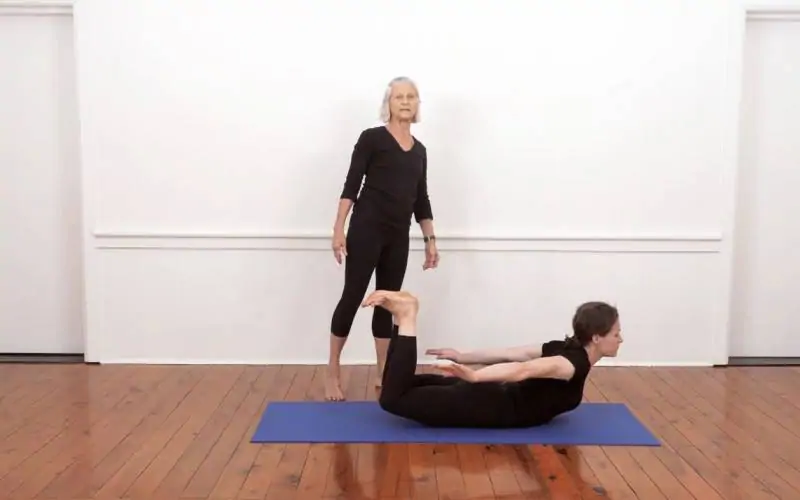
Pixie Lillas takes you through a sequence to prepare you for backbends. Very useful to develop your strength in the middle and lower back.
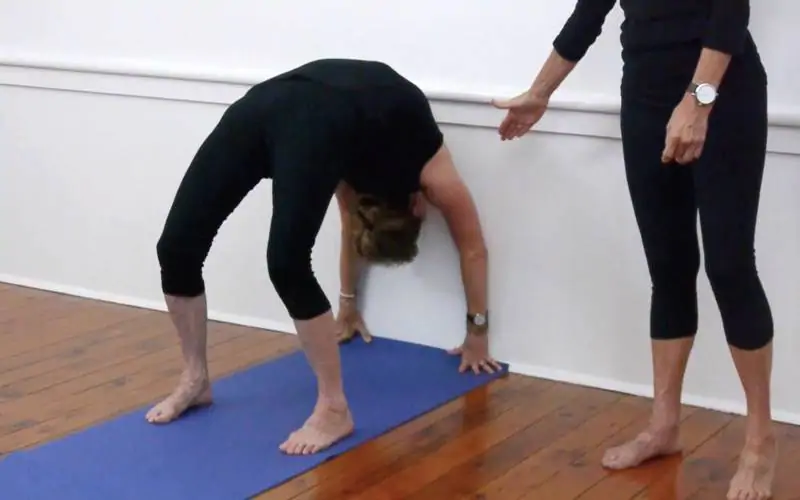
A nice and dynamic backbend sequence for experienced Iyengar yoga students.
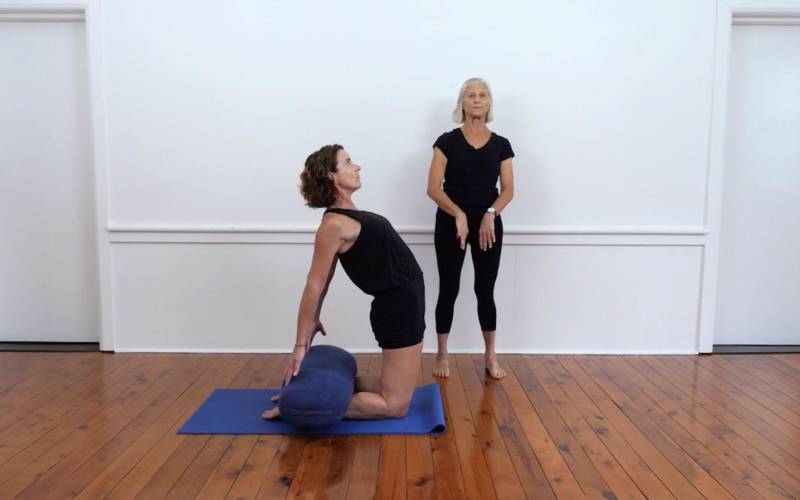
This class helps to build on your foundations with a focus on backbends. A sequence for students with 3-9 months experience with Iyengar yoga, and beyond.
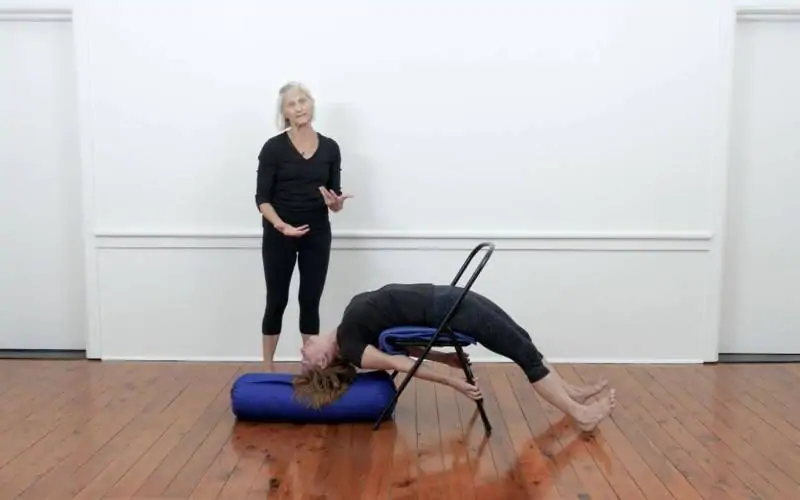
A look at how to do Dvi Pada Viparita Dandasana (Over chair, hands to chair legs) in the Iyengar method.

A look at how to do Dvi Pada Viparita Dandasana (Over the chair, bent knees, head to floor) in the Iyengar method.

A look at how to do Eka Pada Raja Kapotasana 1 in the Iyengar method.

A look at how to do Eka Pada Raja Kapotasana 2 in the Iyengar method.
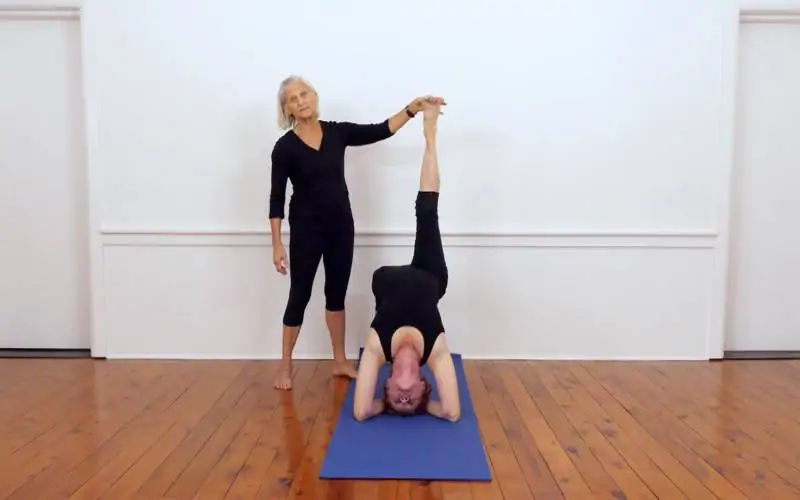
A look at how to do Eka Pada Viparita Dandasana (One-Legged Inverted Staff Pose) in the Iyengar method.

A look at how to do Kapotasana (to the wall) in the Iyengar method.

A look at how to do Urdhva Dhanurasana (Through the Chair) in the Iyengar method.
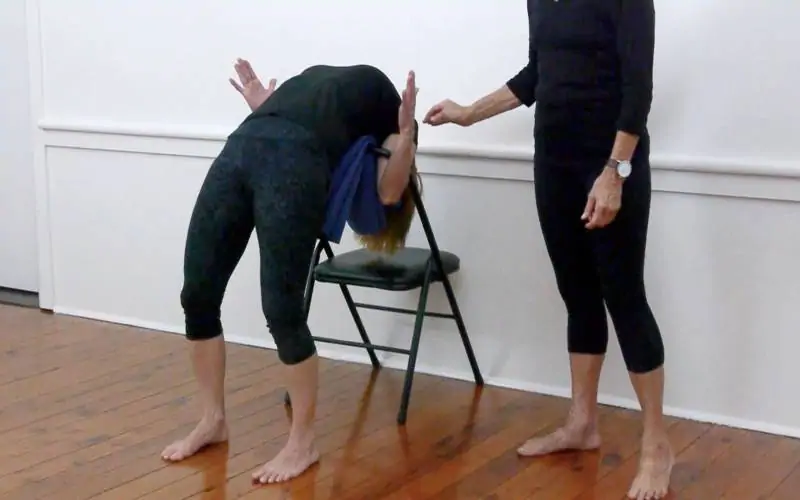
A look at how to do Urdhva Dhanurasana (Over Chair Back - First Variation) in the Iyengar method.

A look at how to do Vrishikasana (Scorpion Pose) in the Iyengar method.

A look at how to do Dvi Pada Viparita Dandasana (dropping back to bench) in the Iyengar method

A look at how to do Urdhva Mukha Svanasana (Upward Facing Dog) in the Iyengar method.

A look at how to do Bhujangasana (Cobra Pose) in the Iyengar method.

A look at how to do Dhanurasana (Bow Pose) in the Iyengar method.
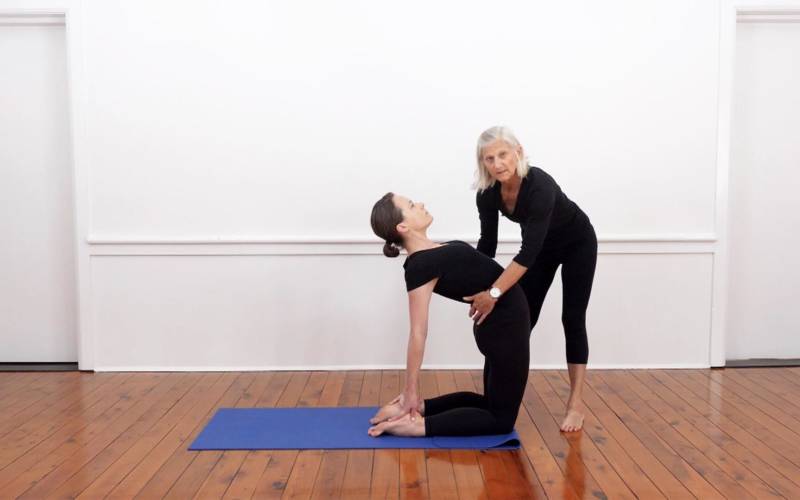
A look at how to do Ustrasana (Camel Pose) in the Iyengar method.

A look at how to do Salabhasana (Locust Pose) in the Iyengar method.

A look at how to do Urdhva Dhanurasana (Upward Bow).
Backbend asanas are very beneficial to the overall health of your back, strengthening of the spine and increasing range of motion. When doing backbends, your chest opens up and you get more oxygen flow to your body. The result is a calming and invigorating effect, clarity of thought, and decrease in stress levels. Frequent practice of backbend asanas improves posture and helps relieve chronic back pain.
To make backbends safe, strengthen your back muscles first. Beginners should start with milder backbend asanas: Sphinx Pose or Supported Setu Bandha (Supported Bridge Pose). After back strengthening exercises, attempt to deepen backbends with more advanced poses: Dhanurasana (Bow Pose), Ustrasana (Camel Pose), and Bhujangasana (Cobra Pose).
With backbends, it is important to progress slowly. Take your time, don’t push yourself too hard. Yoga is not a competition. Make sure you practice at your own pace.
Improper practice of backbend asanas can cause injuries and persistent discomfort. The most common mistake is putting too much pressure on the lumbar spine. This can cause wear and tear in lower back.
If you are suffering from a preexisting or current injury to the back, be realistic about your abilities. Consult with your physiotherapist if you have any questions.
Breathing is the key to any successful yoga practice. As you inhale, assess your current state, do a mental body scan for tension. As you exhale, relax and try to go deeper. This approach can make backbend asanas safe. Follow your breath and bend gradually, one vertebra at a time until you reach capacity. This helps you measure progress and will make it clear when it’s time to stop.
Don't rush. Take it day by day. If your aim is to improve your backbends, work to strengthen your back muscles with back-strengthening exercises: Plank Pose or Salabhasana (Locust Pose). When you feel like you’re ready, try to deepen your backbends with Bhujangasana (Cobra Pose) or Urdhva Mukha Svanasana (Upward Facing Dog Pose).