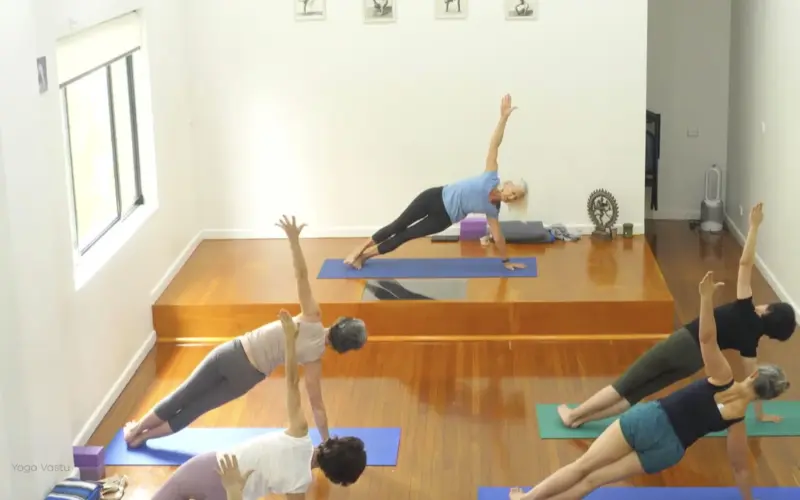
Video: Live class
119 mins
Advanced Class 10: Balancing Standing Poses and Abdominal Strengthening
Throughout this miscellaneous class, we will continue to pay close attention to the role the collarbones play in our practice.
Found 80 results, page 1 of 4
Throughout this miscellaneous class, we will continue to pay close attention to the role the collarbones play in our practice.
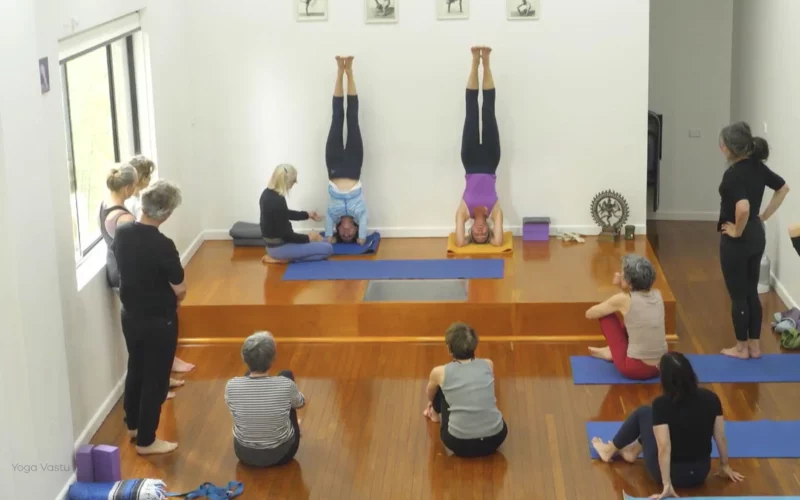
This class is about observing where our attention automatically goes within each pose and learning how to redirect it so we can find our center.
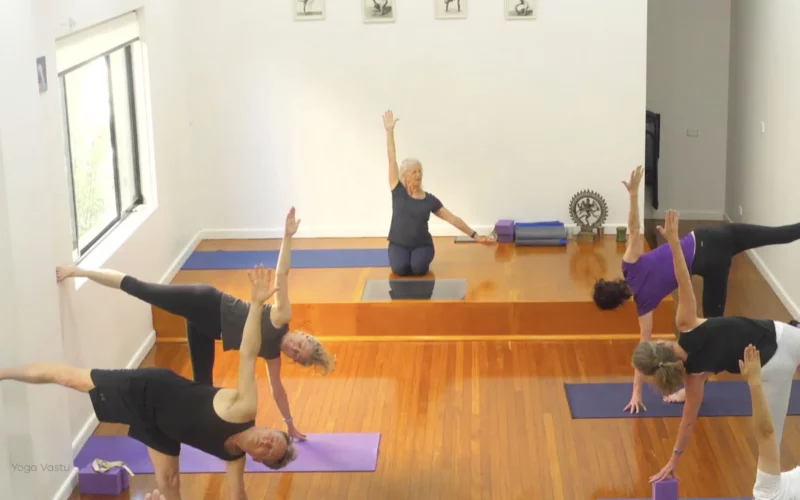
In this miscellaneous class, we will continue to work on spreading our collarbones and opening our hips in a wide range of poses with the help of wall support.
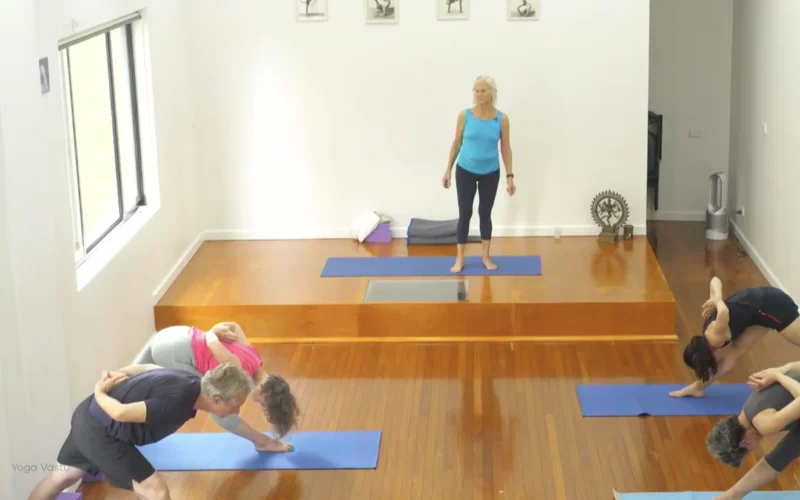
In this class we will focus on balancing out the inner groin and outer buttock crease in poses like Parsvottanasana and Supta Padangusthasana 1.
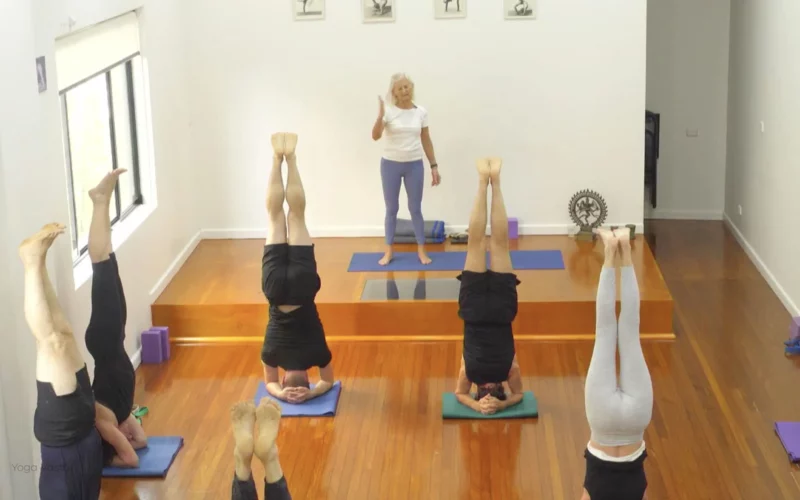
In this class, Level 3 students will explore the role collarbones and shoulder blades play in standing poses and backbends.
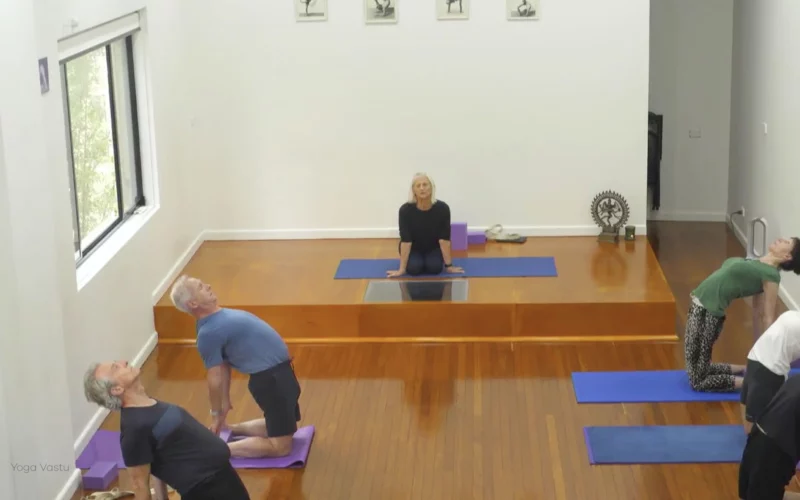
The first class of a series for Level 3 students. Here, we are focussing on backbends, especially Urdhva Dhanurasana and Dvi Pada Viparita Dandasana.
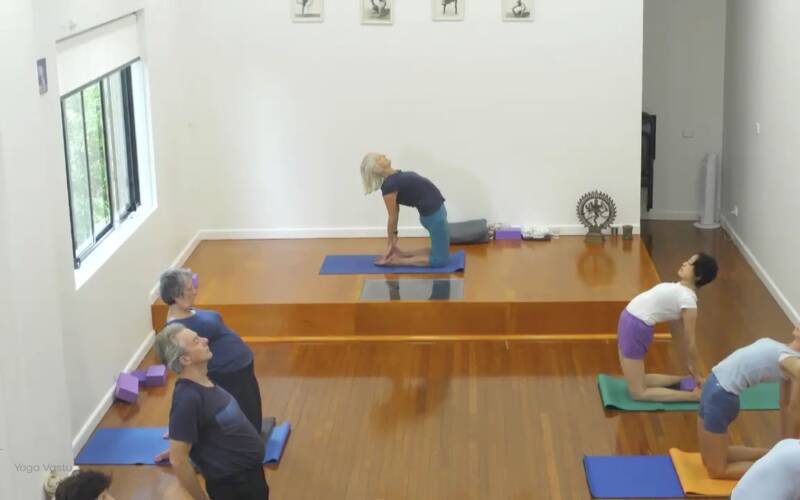
Deepen your backbend practice by strengthening your arms and improving hip mobility.
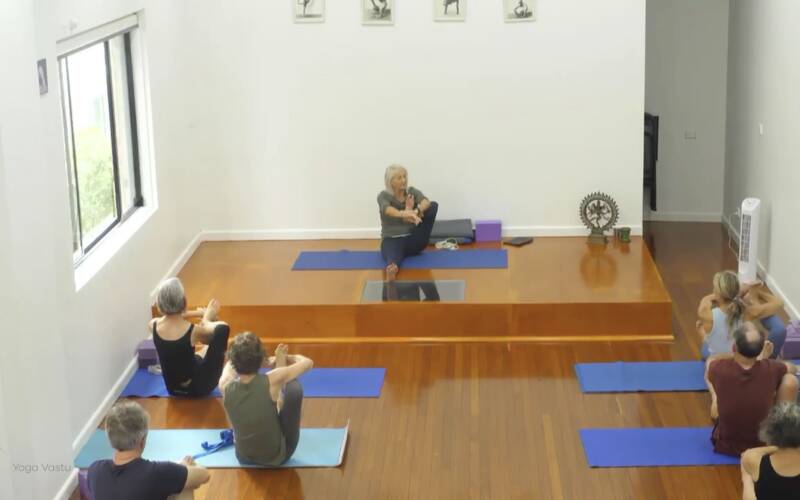
Exercises, tips and techniques for evening out leg strength and hip mobility.
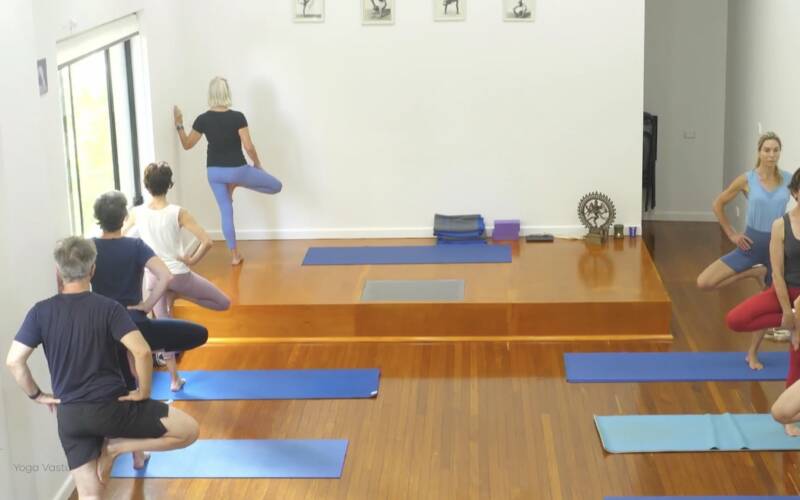
In this class for advanced students, we will go through a multitude of different standing poses, pausing to explore some of them in more detail.
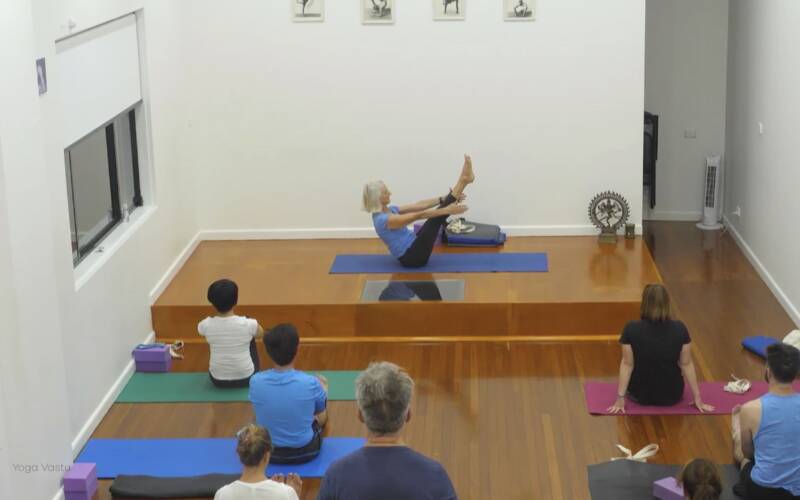
A miscellaneous class for lower level students focussing on strengthening the core and increasing range of motion through twists.
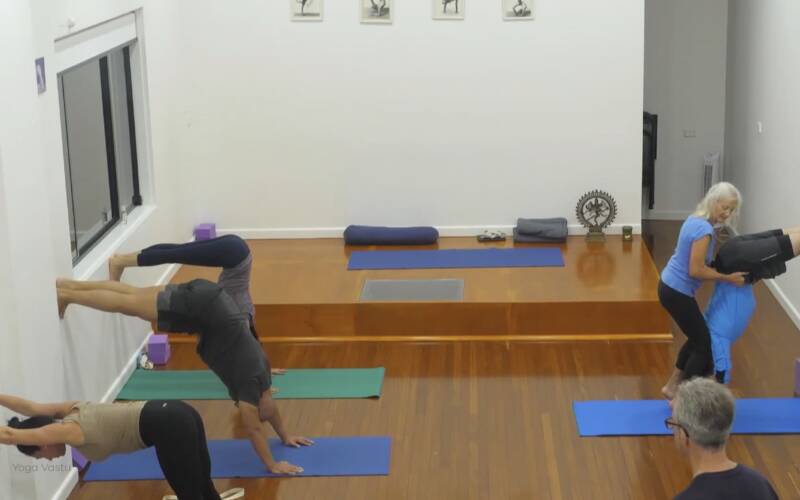
A class for lower level students focussing on preparatory inversions, twists, and core-strengthening exercises.

An intense miscellaneous sequence focussing on improving hip mobility through the use of props and pose variations

An in-depth standing pose and inversion class where we will be using wall support to work deeper into each pose

A fast-paced, dynamic session with asymmetrical postures aimed at creating evenness and balance in the body.

Experience the benefits of a session featuring many different poses and asana types.

A dynamic miscellaneous Level 3 class focused on improving hip mobility and abdominal strength.
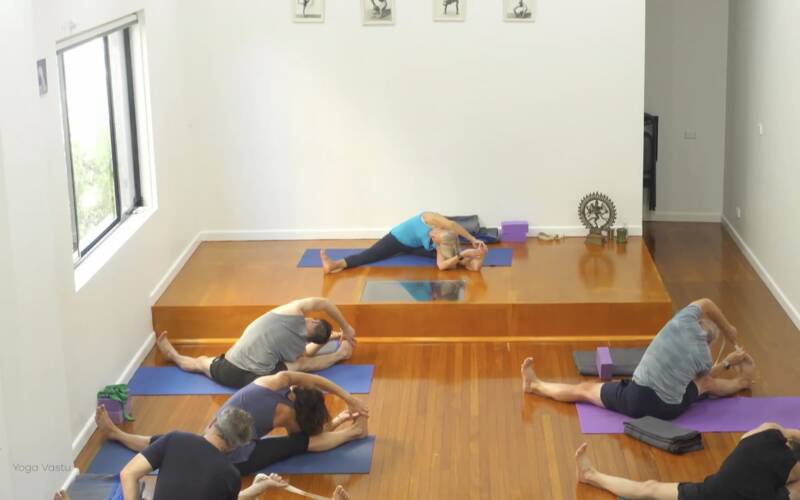
A session aimed at improving hip mobility through seated postures.

A sequence in which students spend more time in each backbend to ensure they are experiencing its full effects.
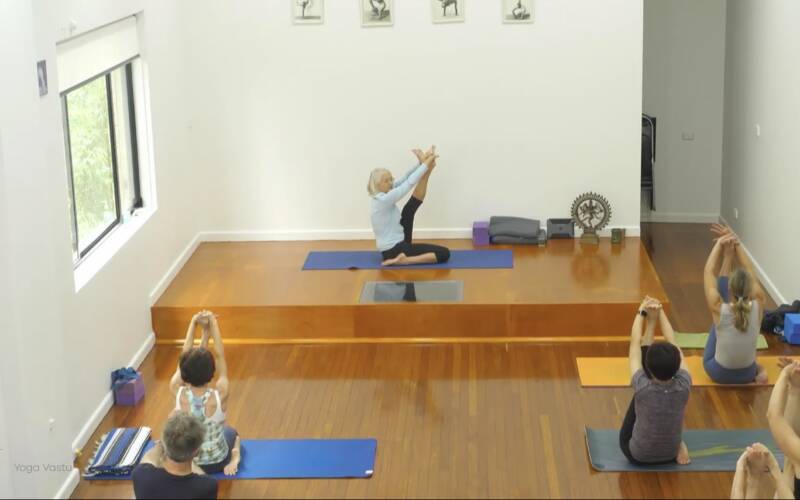
In this session, we go through many poses from different asana types in order to achieve maximum hip-opening.

In this session, we'll explore a wide range of standing poses, incorporating challenging elements like twisting and balancing actions.

Inversions are a fundamental aspect of yoga practice.

A fast-paced, dynamic class focussing on standing asanas.

Learn how to use familiar props to help you achieve more extension in backbends

A backbend session for experienced students with Pixie Lillas at the Balmain Iyengar Yoga Studio.
Inversions can be both calming and energising. There are several types of inversion asana, depending on the effect.
Cooling inversions calm the nervous system and help you relax. A good example is Salamba Sarvangasana (Shoulderstand), sometimes called the Mother of Asanas. The position of the head and chin have a positive effect on the thyroid and parathyroid gland. Increased blood flow to the heart helps restore heart function and normalize the heartbeat. Cooling inversions are a good way to wind down and ensure you sleep better at night.
Heating inversions energise the body and mind. Increased blood flow to the brain helps stimulate brain function, boost concentration and alertness, and improve motivation. Examples of heating inversions are: Salamba Sirsasana (Headstand), Pincha Mayurasana (Feathered Peacock Pose or Forearm Balance), and Adho Mukha Vrksasana (Handstand). Such inversion asanas can boost energy levels and get rid of brain fog fast.
Overall, inversion asanas increase blood circulation, strengthen the immune system, improve the function of key organs (brain, heart, abdominal organs), build core strength, help find balance in everyday life, make you more adaptive.
Inversions could be dangerous for people suffering from high or low blood pressure.
When approached with caution, inversion asanas are quite safe. Before attempting a full inversion, try a partial inversion: Adho Mukha Svanasana (Downward Facing Dog Pose) or Setu Bandha Sarvangasana (Supported Bridge Pose). Assess your feelings. If you feel dizzy and lightheaded, refrain from going further. Consult your physician first.
Beginners should start practicing inversion asanas with support. Wall support and extra cushioning can help build confidence and provide a safety net.
Before you start, strengthen your arms and shoulders. Good exercises include: Adho Mukha Svanasana to Virasana Forward, Chaturanga Dandasana (Four-Limbed Staff Pose), Urdhva Baddhanguliyasana (Palm Tree Pose), Urdhva Hastasana (Upward Salute), Garudasana (Eagle Pose), and Forearm Plank. They strengthen the core and help lay the foundations to get proper alignment in inversion asanas.
Other good steps to prepare for inversion asanas are doing Adho Mukha Vrksasana Preparation (Handstand Preparation) and Salamba Sirsasana Preparation (Headstand Preparation).