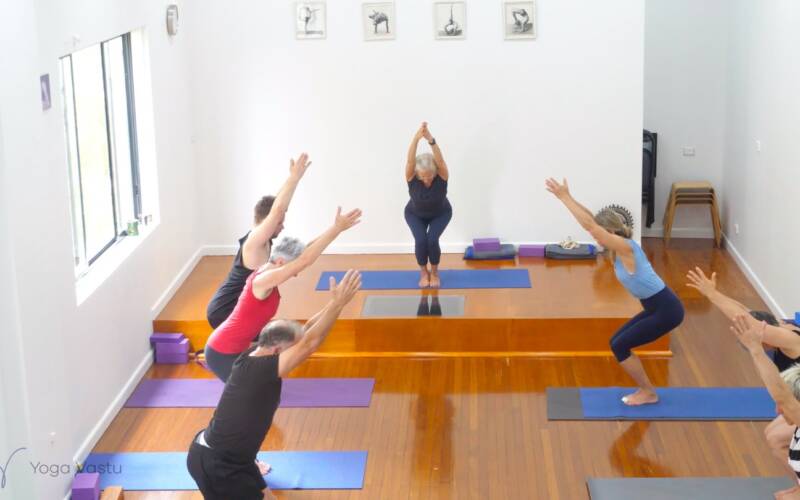
Video: Live class
149 mins
Grounding and Observation in Backbends
In this intense session, advanced students and those in teacher training will be focussing mostly on backbends.
Found 80 results, page 2 of 4
In this intense session, advanced students and those in teacher training will be focussing mostly on backbends.
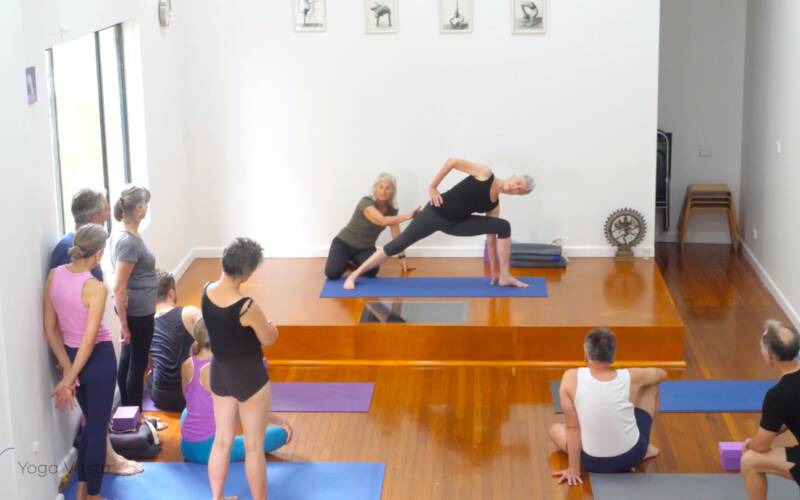
In this advanced standing pose sequence, we will look at how we can achieve even extension and expand our minds in the process.

After a relatively intense asana practice with a focus on inversions, we settle in for about an hour of contemplation in more static, less strenuous poses aimed at grounding us and bringing more awareness to our practice.
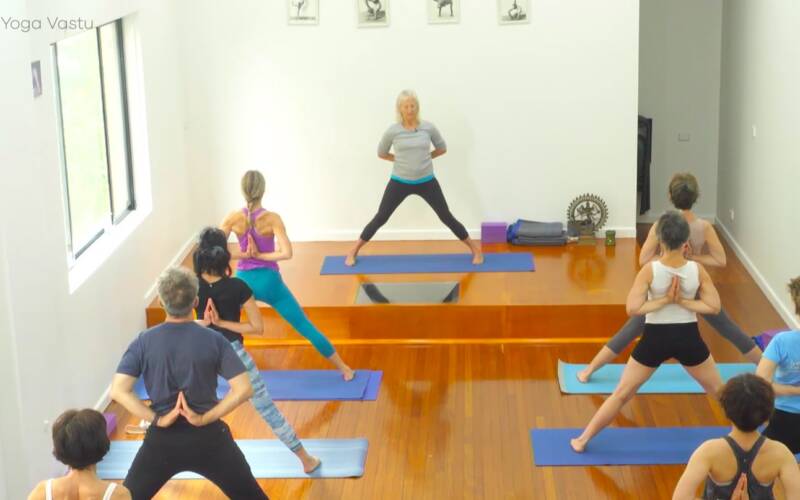
In this class, advanced students and those going through teacher training will look at how to apply the ideas of weight distribution and alignment, especially insofar as they're related to inversions and backbends.
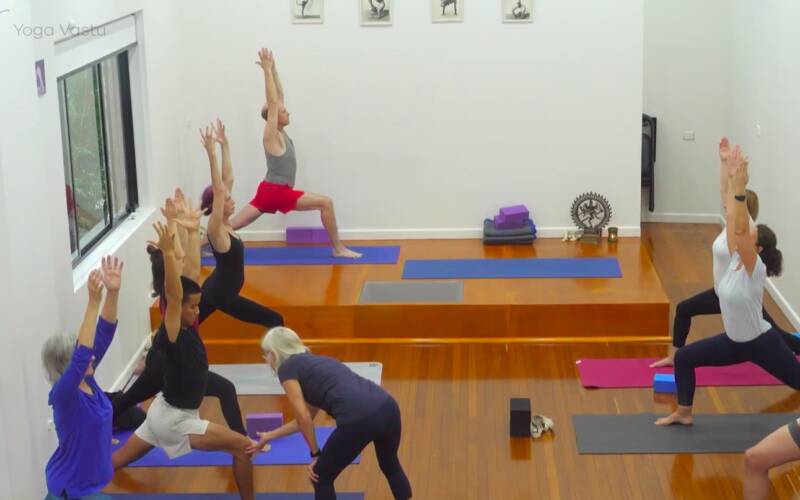
A workshop focussing on strengthening our standing pose foundations. Suitable for students of all levels, especially lower ones.
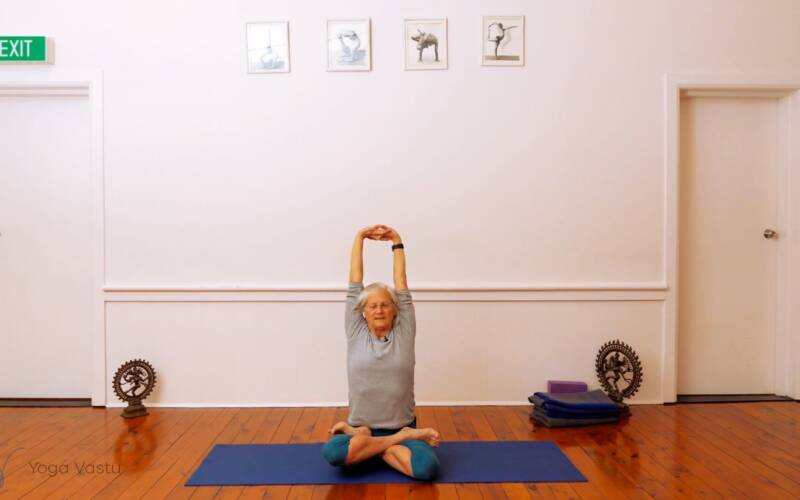
Padmasana, also known as the Lotus Pose and one of the poses we will be exploring today, is probably one of the most iconic asanas.

In this miscellaneous class for level 1/2 students, we will be looking for new approaches to poses that will help increase our capacity.

A standing pose session dedicated to the exploration of timing, one of the key aspects of yoga practice.

Today's miscellaneous sequence for advanced students is a little less dynamic than usual because we will be exploring what it means to be "practising to lear...

In this session, level 1&2 students will be going through some of the more foundational backbends as well as some modified and supported versions of more advanced backbends.
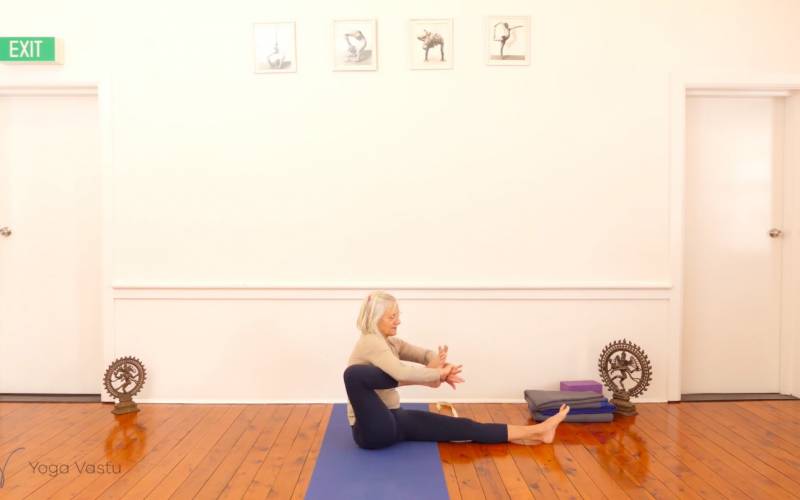
In this class, we will explore in detail the connections between different parts of the body that manifest themselves when we are doing forward bends.
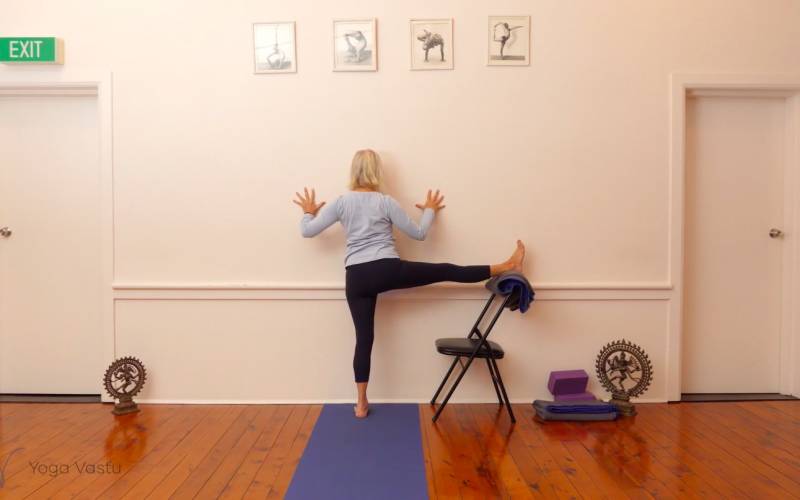
In this video, we will be looking at the subtle actions in our legs as we extend in forward bends.

A sequence focussed on developing the abdominal muscles while also working on balance, in inverted, seated, and supine asanas.

A miscellaneous class that incorporates poses from all the pose groups and includes some arm balances in the middle.

In this backbend class, we will be going through several repetitions of some of the more advanced backbends, such as Kapotasana and Urdhva Dhanurasana in an attempt to consolidate the correct motions and achieve maximum elongation.
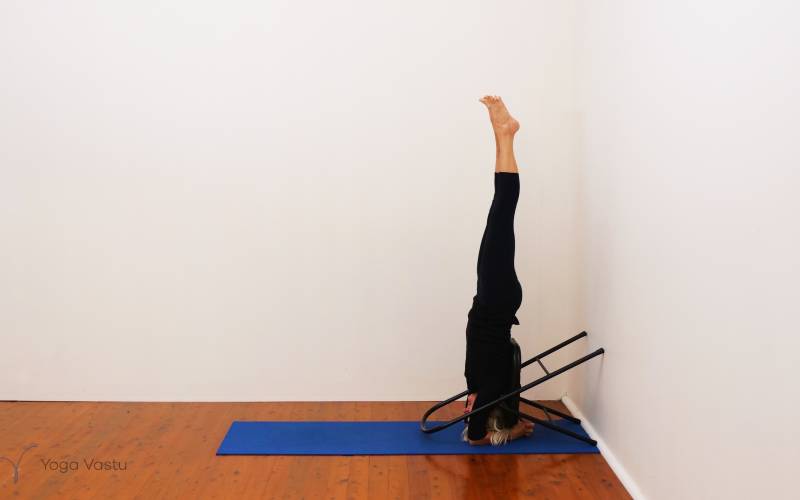
This general-level sequence aims to combine two ways of practising: uplifting our energy and quietening our mind.
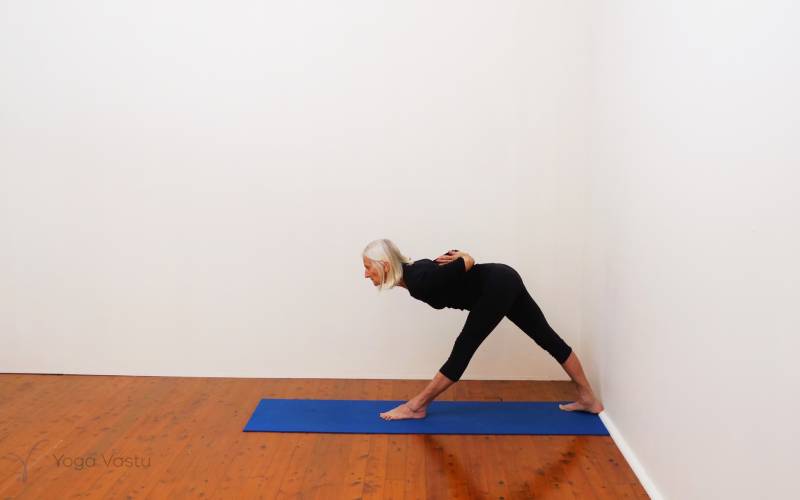
The first video in a new series aimed at helping beginner-level students strengthen their foundations.
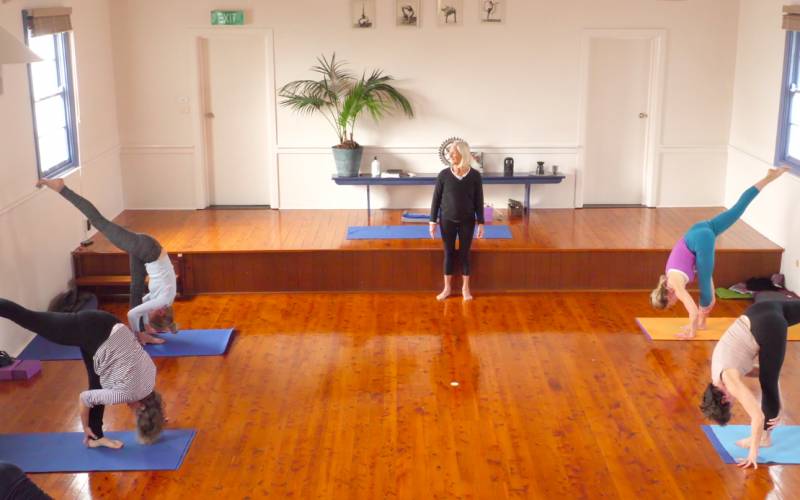
In this live video, filmed at the Balmain Iyengar Yoga Studio, we will be going through a miscellaneous sequence, looking at weight-bearing and working on our balance.
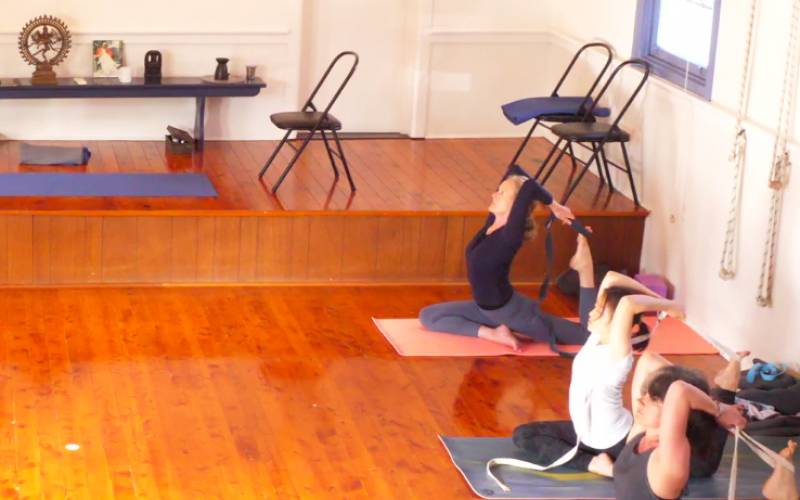
This is a well-rounded class which will be split into two parts: the warm-up (standing poses) and the main part (backbends).
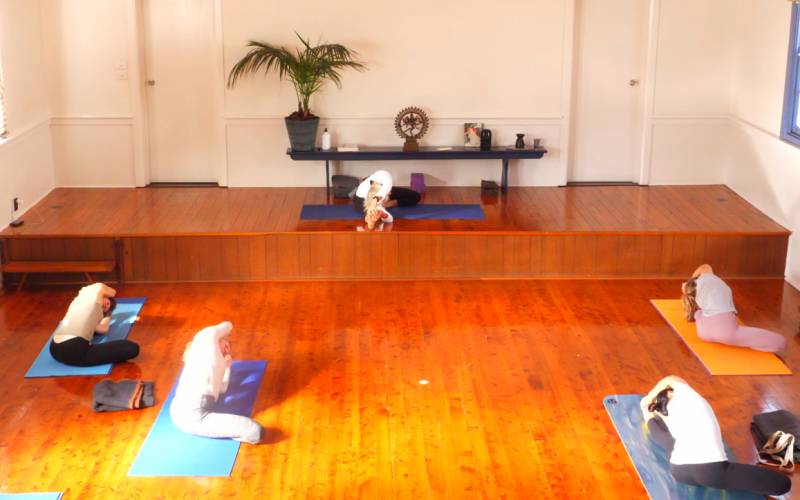
This is a well-rounded forward bend class for advanced students, including twists and asymmetrical variations.
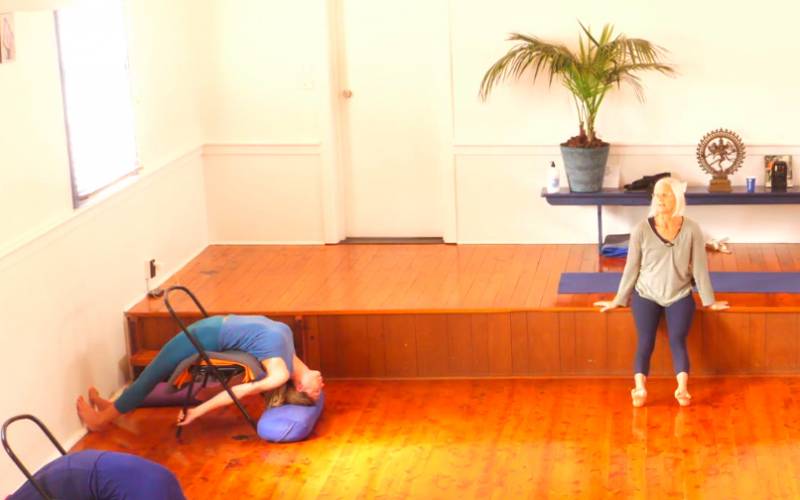
In today's live class we will be focussing on restorative poses.
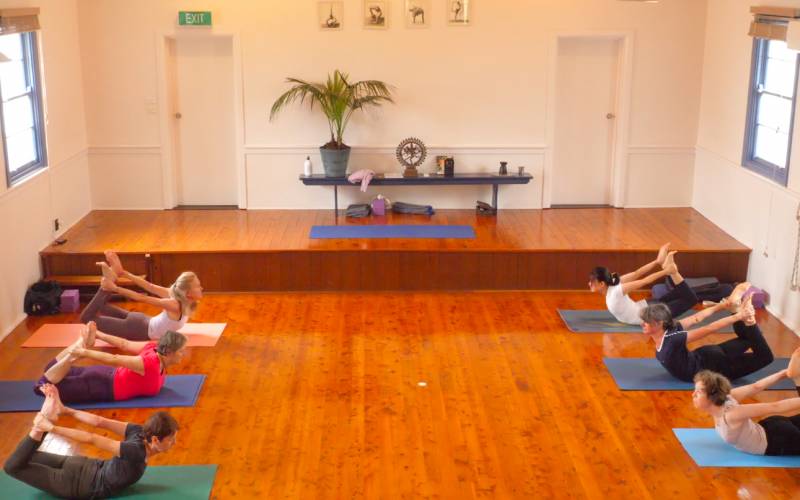
In this advanced backbend class, we will be looking at some interesting new approaches to backbends: namely, we will introduce a pose that can be done in tandem with a partner.
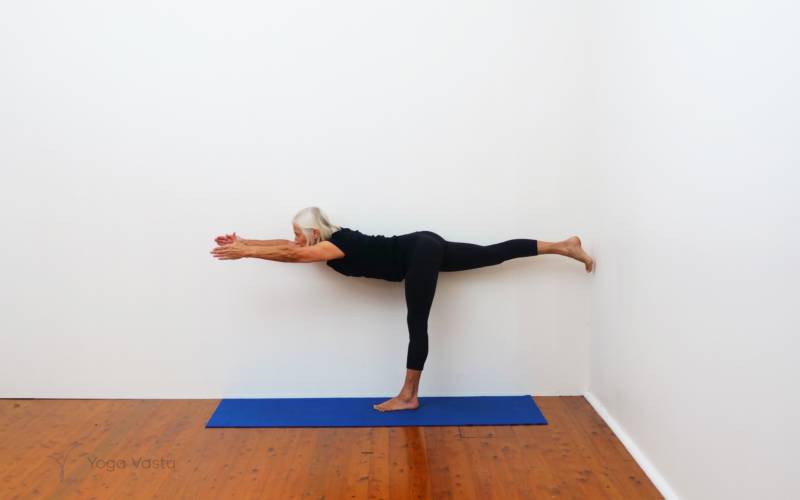
We will be looking at some standing poses to the wall today.
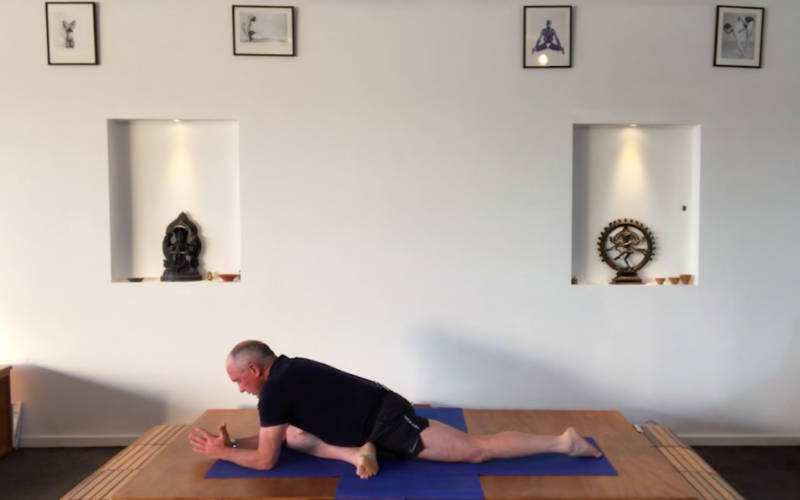
According to yogic tradition, the consciousness can be divided into four aspects: manas (mind), ahankara (I’ness), buddhi (intellect), and chitta (cosmic intelligence).
Inversions can be both calming and energising. There are several types of inversion asana, depending on the effect.
Cooling inversions calm the nervous system and help you relax. A good example is Salamba Sarvangasana (Shoulderstand), sometimes called the Mother of Asanas. The position of the head and chin have a positive effect on the thyroid and parathyroid gland. Increased blood flow to the heart helps restore heart function and normalize the heartbeat. Cooling inversions are a good way to wind down and ensure you sleep better at night.
Heating inversions energise the body and mind. Increased blood flow to the brain helps stimulate brain function, boost concentration and alertness, and improve motivation. Examples of heating inversions are: Salamba Sirsasana (Headstand), Pincha Mayurasana (Feathered Peacock Pose or Forearm Balance), and Adho Mukha Vrksasana (Handstand). Such inversion asanas can boost energy levels and get rid of brain fog fast.
Overall, inversion asanas increase blood circulation, strengthen the immune system, improve the function of key organs (brain, heart, abdominal organs), build core strength, help find balance in everyday life, make you more adaptive.
Inversions could be dangerous for people suffering from high or low blood pressure.
When approached with caution, inversion asanas are quite safe. Before attempting a full inversion, try a partial inversion: Adho Mukha Svanasana (Downward Facing Dog Pose) or Setu Bandha Sarvangasana (Supported Bridge Pose). Assess your feelings. If you feel dizzy and lightheaded, refrain from going further. Consult your physician first.
Beginners should start practicing inversion asanas with support. Wall support and extra cushioning can help build confidence and provide a safety net.
Before you start, strengthen your arms and shoulders. Good exercises include: Adho Mukha Svanasana to Virasana Forward, Chaturanga Dandasana (Four-Limbed Staff Pose), Urdhva Baddhanguliyasana (Palm Tree Pose), Urdhva Hastasana (Upward Salute), Garudasana (Eagle Pose), and Forearm Plank. They strengthen the core and help lay the foundations to get proper alignment in inversion asanas.
Other good steps to prepare for inversion asanas are doing Adho Mukha Vrksasana Preparation (Handstand Preparation) and Salamba Sirsasana Preparation (Headstand Preparation).