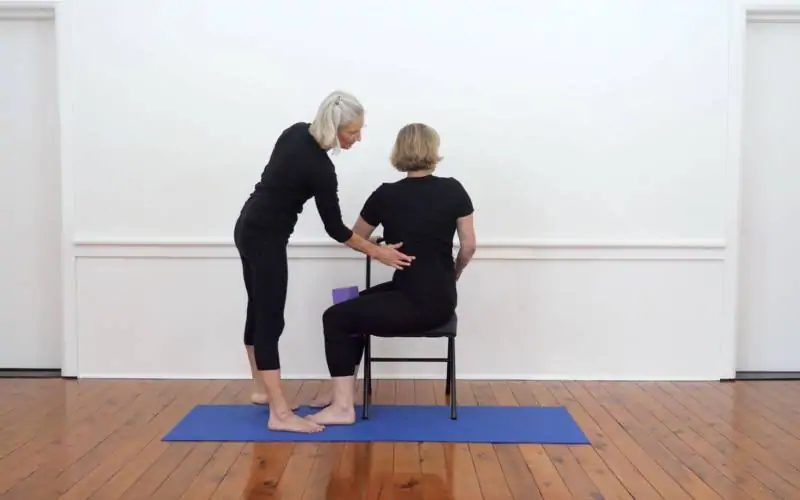
Weight-bearing and balance poses to build confidence and bone density
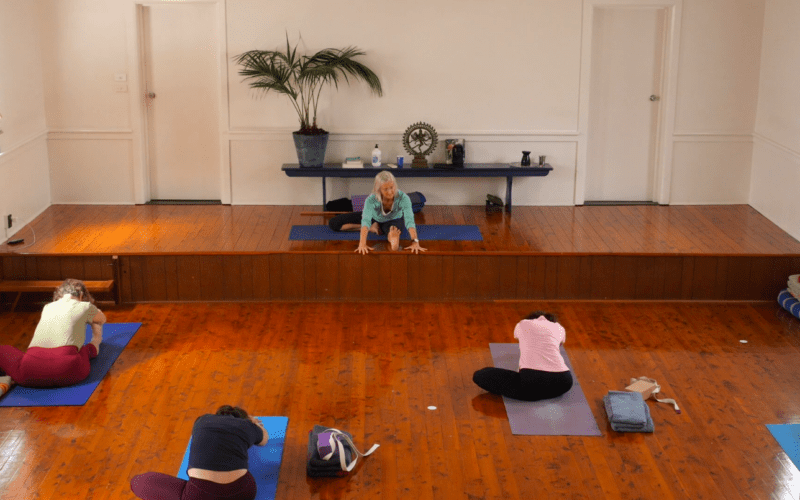
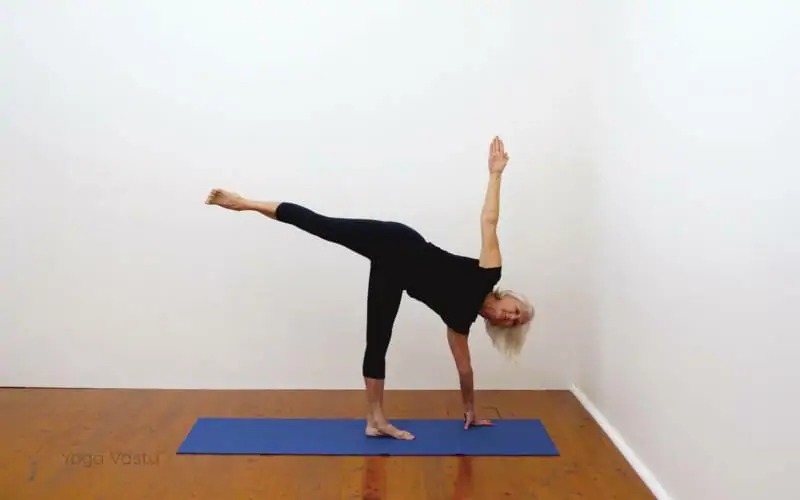
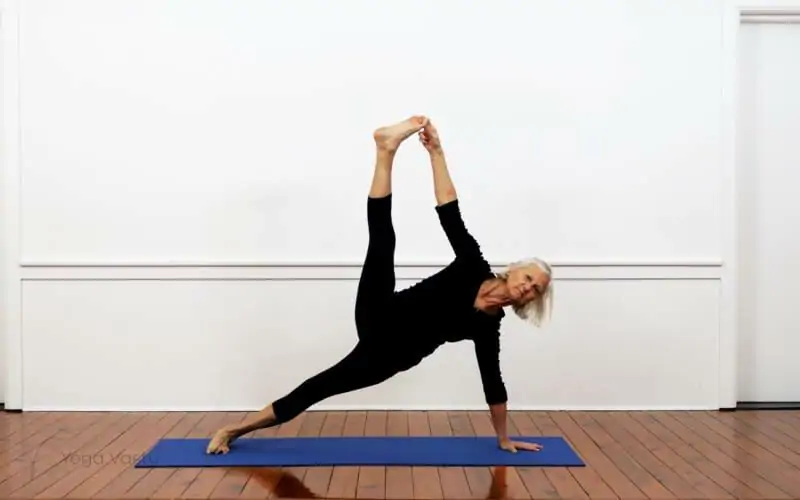
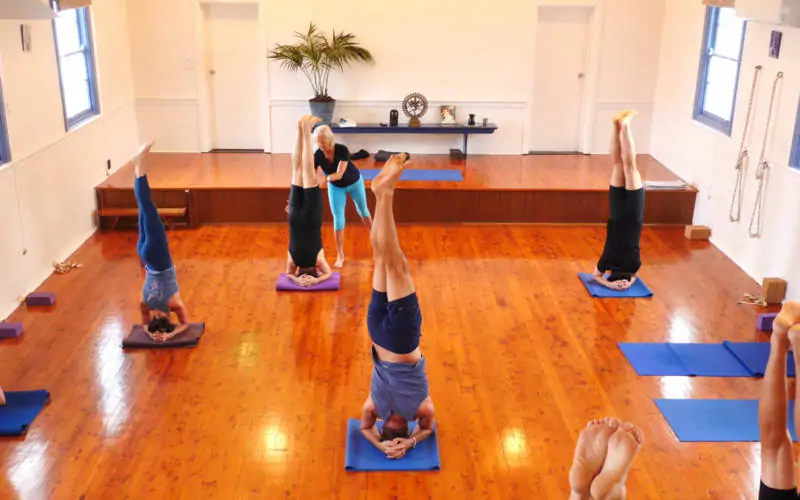
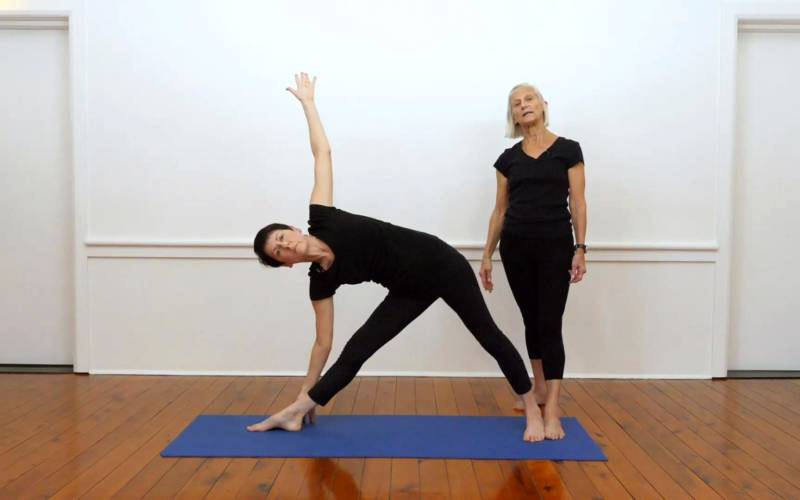
This session focusses on weight-bearing poses to help build confidence and balance, tone our muscles, and maintain good bone density throughout.
Found 80 results, page 3 of 4
This session focusses on weight-bearing poses to help build confidence and balance, tone our muscles, and maintain good bone density throughout.
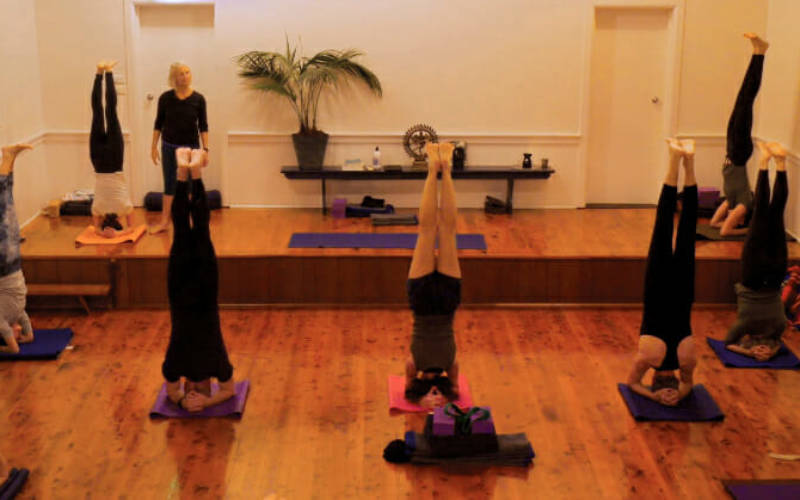
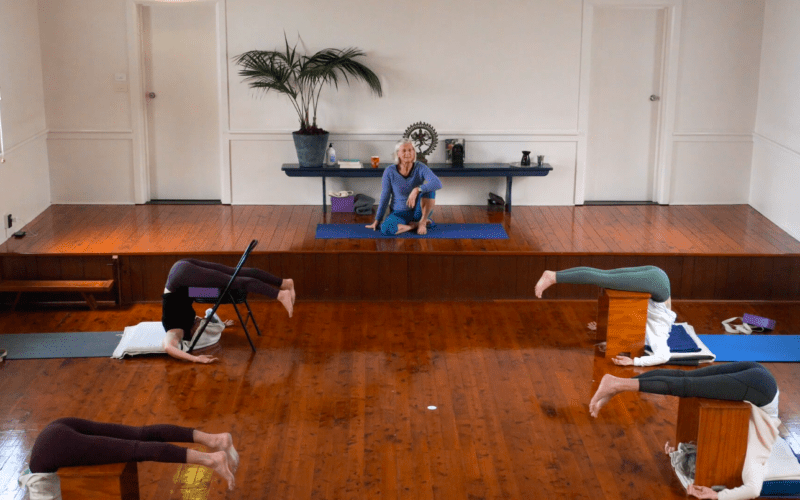
There are times when you may need a Shoulderstand alternative in order to avoid full weight-bearing onto the neck e.g due to a crick in the neck or general neck or shoulder issues.
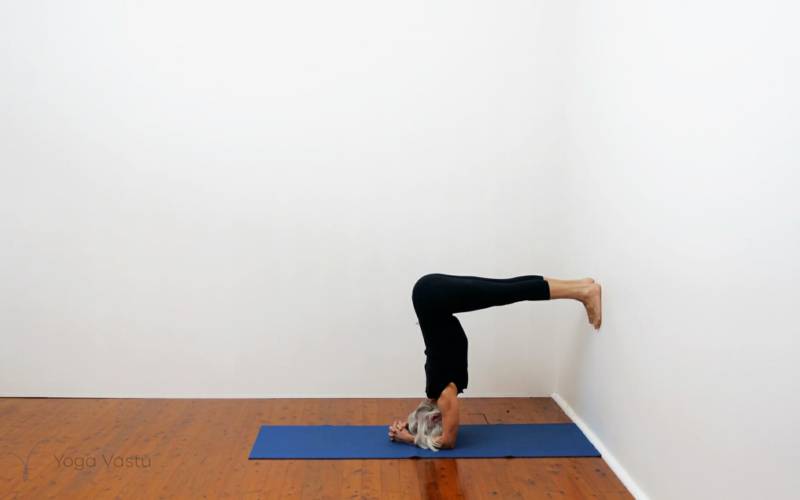
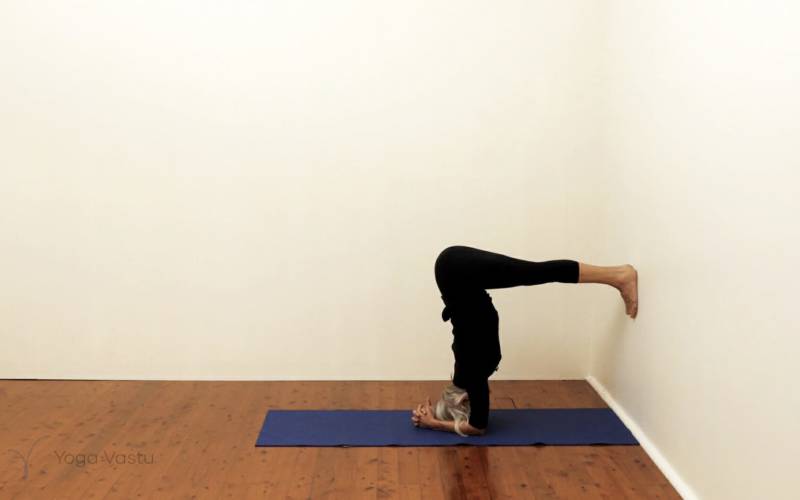
In today's short session, we will be looking closely at a set of alternative poses that can help us experience some of the benefits of Sirsasana without going into the full inversion.
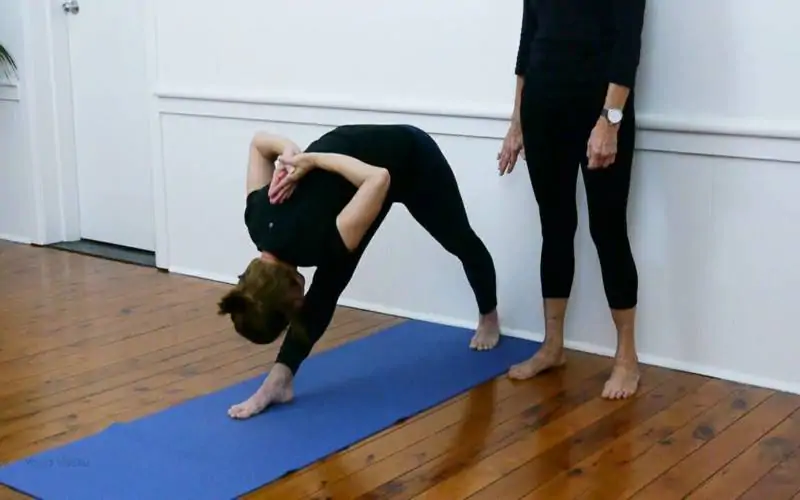
An intermediate to advanced level live class focussing primarily on forward bends. Shot at the Balmain Iyengar Yoga Studio and taught by Pixie Lillas.
A forward bend live class for advanced level students. Filmed at the Balmain Iyengar Yoga Studio. Now available on-demand. Taught by Pixie Lillas.
Friday Intensive Workshop: As this session is 2.5 hours long, we can spend a little more time preparing for the balancing poses by opening into the hips and by focussing on the actions required to help enter more easily into the arm balance poses.
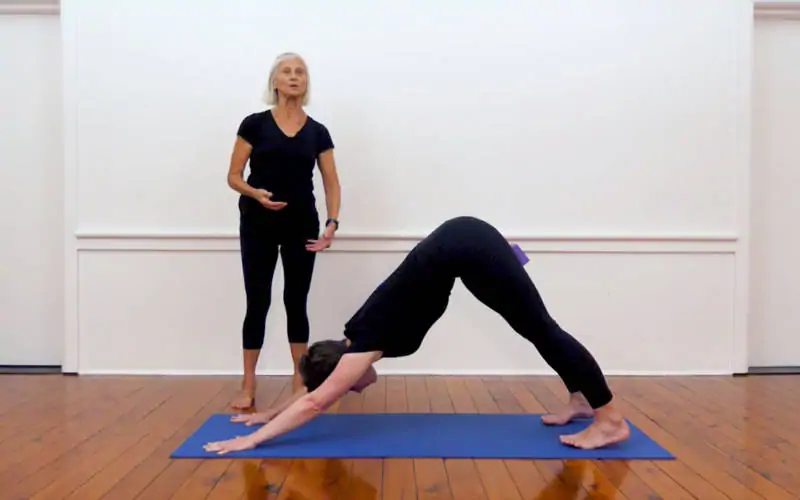
This short sequence helps to connect the actions that integrate the upper and lower body in Dog Pose and a few preparatory inversion poses leading into the standing poses.
This 40-minute session brings us into the shoulders, upper back, abdominals, and hips.
This session aims at reviewing and consolidating the basic actions and preparations for understanding these three foundation inversions.
Yoga can play a good part in preparing mentally and physically for a big walk, a run, or a bout of exercise in general.
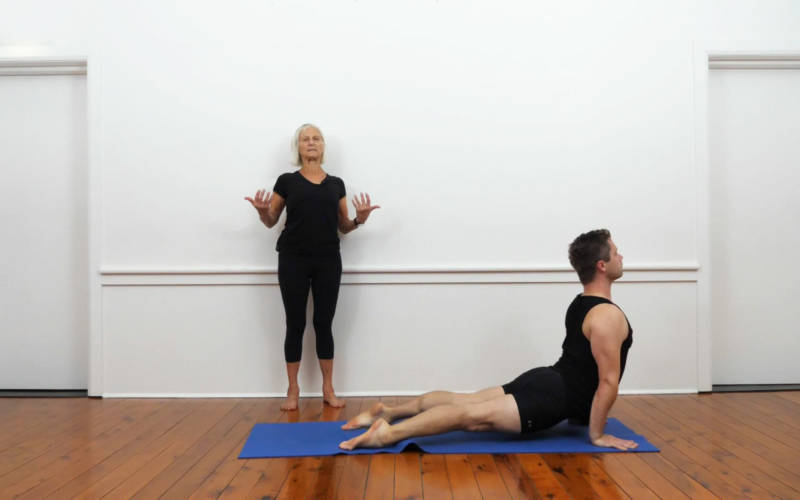
A dynamic short sequence with a few backbends to increase energy and motivation for the day.
This is a slightly shorter and perhaps more diverse sequence than we might usually do at this level.
In this sequence, we will build on a few base poses, in standing and sitting, adding a little weight-bearing in the arms.
This 40-minute session brings us into the shoulders, upper back, abdominals, and hips.
Intermediate to advanced level forward bends taught by Pixie Lillas.
Pixie teaches a grounding, foundation sequence for those looking to strengthen their core asanas.
Pixie teaches a short uplifting sequence perfect for reinvigorating yourself if you’re feeling a bit flat or short of energy.
A full-length video showing some adjustments that you can make to your class or regular practice when dealing with back pain.
Pixie takes a detailed look at how to kick yourself up into full arm balance (Adho Mukha Vrksasana).
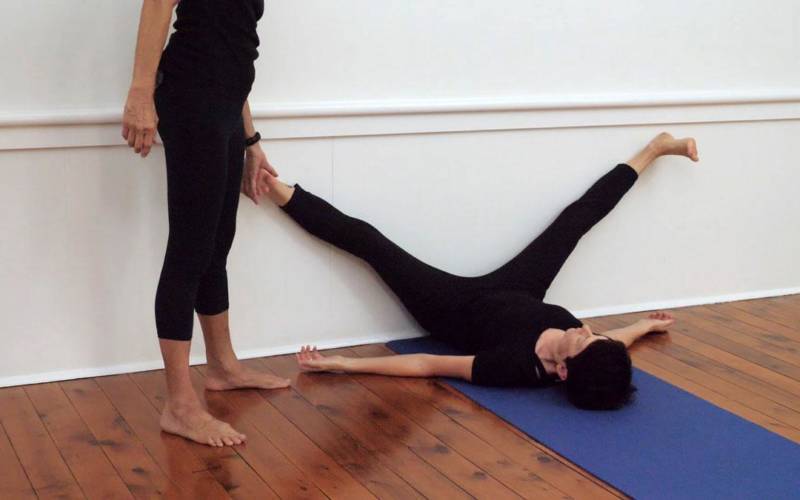
A nice short session of miscellaneous poses focusing on hip and groin opening. Good variation of poses, suitable for all levels.
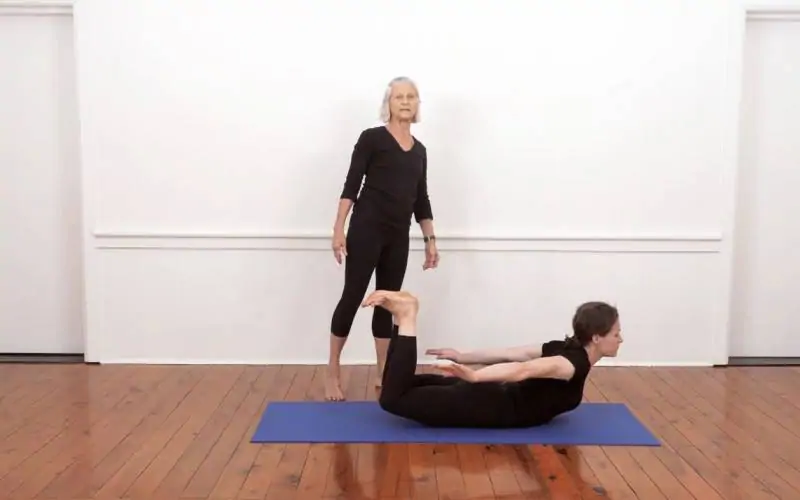
Pixie Lillas takes you through a sequence to prepare you for backbends. Very useful to develop your strength in the middle and lower back.
Pixie leads you through a great energizing sequence.
Making use of blocks, blankets, belts, and a chair, Pixie takes you through a strengthening and opening sequence for the lower back.
Inversions can be both calming and energising. There are several types of inversion asana, depending on the effect.
Cooling inversions calm the nervous system and help you relax. A good example is Salamba Sarvangasana (Shoulderstand), sometimes called the Mother of Asanas. The position of the head and chin have a positive effect on the thyroid and parathyroid gland. Increased blood flow to the heart helps restore heart function and normalize the heartbeat. Cooling inversions are a good way to wind down and ensure you sleep better at night.
Heating inversions energise the body and mind. Increased blood flow to the brain helps stimulate brain function, boost concentration and alertness, and improve motivation. Examples of heating inversions are: Salamba Sirsasana (Headstand), Pincha Mayurasana (Feathered Peacock Pose or Forearm Balance), and Adho Mukha Vrksasana (Handstand). Such inversion asanas can boost energy levels and get rid of brain fog fast.
Overall, inversion asanas increase blood circulation, strengthen the immune system, improve the function of key organs (brain, heart, abdominal organs), build core strength, help find balance in everyday life, make you more adaptive.
Inversions could be dangerous for people suffering from high or low blood pressure.
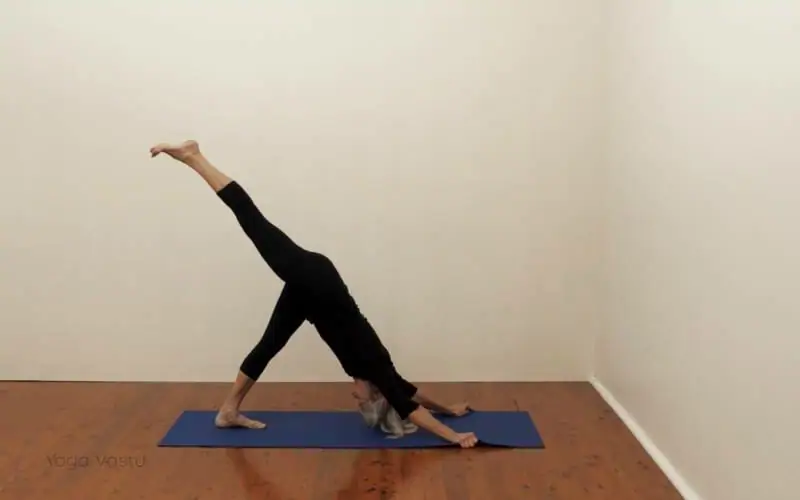
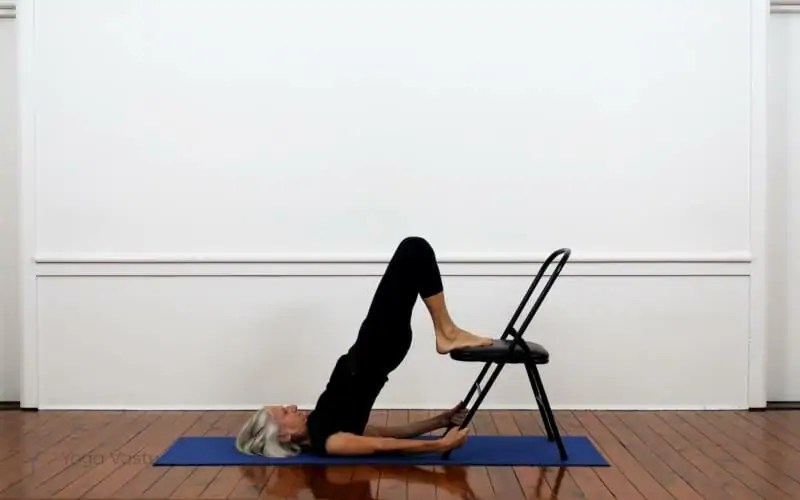
When approached with caution, inversion asanas are quite safe. Before attempting a full inversion, try a partial inversion: Adho Mukha Svanasana (Downward Facing Dog Pose) or Setu Bandha Sarvangasana (Supported Bridge Pose). Assess your feelings. If you feel dizzy and lightheaded, refrain from going further. Consult your physician first.
Beginners should start practicing inversion asanas with support. Wall support and extra cushioning can help build confidence and provide a safety net.
Before you start, strengthen your arms and shoulders. Good exercises include: Adho Mukha Svanasana to Virasana Forward, Chaturanga Dandasana (Four-Limbed Staff Pose), Urdhva Baddhanguliyasana (Palm Tree Pose), Urdhva Hastasana (Upward Salute), Garudasana (Eagle Pose), and Forearm Plank. They strengthen the core and help lay the foundations to get proper alignment in inversion asanas.
Other good steps to prepare for inversion asanas are doing Adho Mukha Vrksasana Preparation (Handstand Preparation) and Salamba Sirsasana Preparation (Headstand Preparation).