Advanced Class 2: Finding your Center in Backbends and Inversions
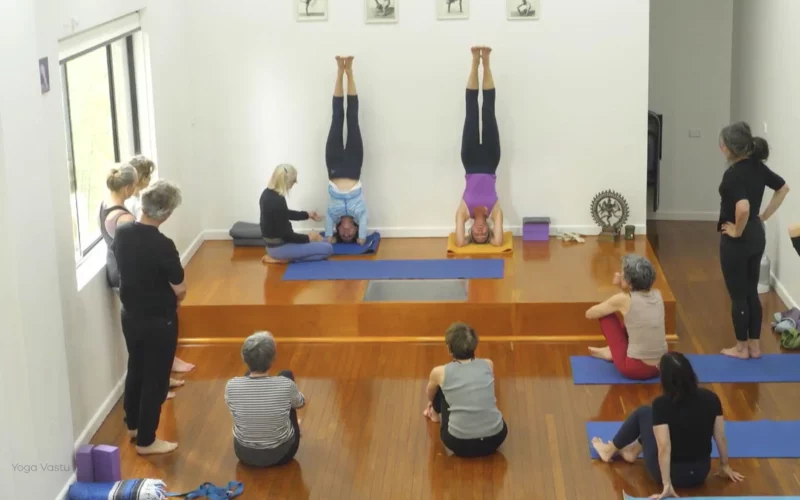
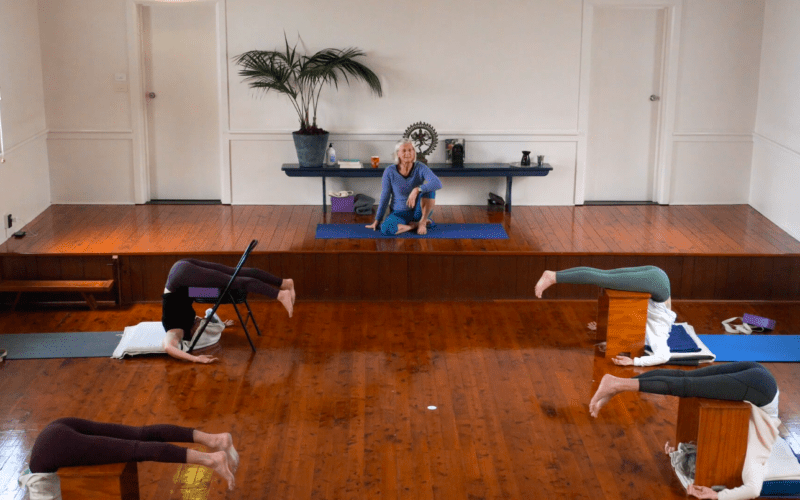
This class is about observing where our attention automatically goes within each pose and learning how to redirect it so we can find our center.
Found 18 results, page 1 of 1
This class is about observing where our attention automatically goes within each pose and learning how to redirect it so we can find our center.
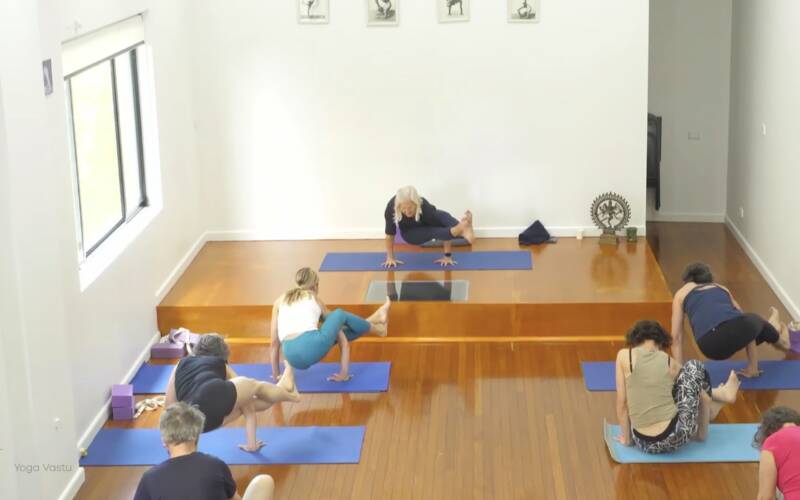
A well-rounded miscellaneous class for advanced students focusing on achieving deeper hip opening with the help of arm balances and twists.
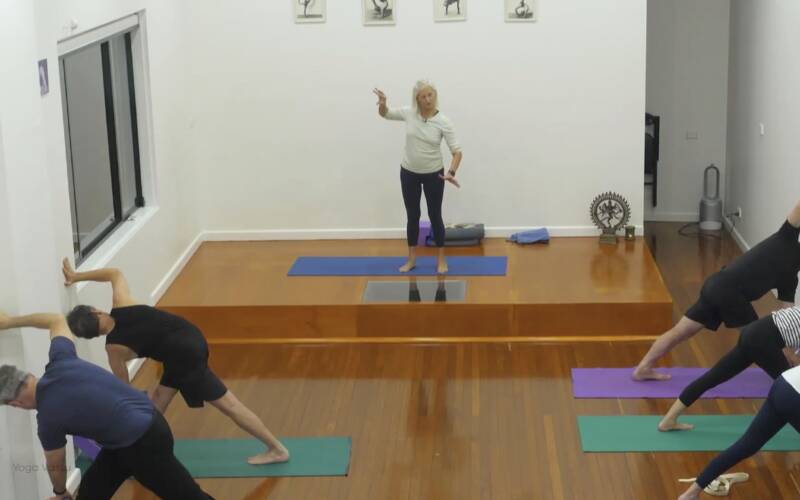
A class for Level 3 students focussing on enhancing alignment and improving balance and coordination by doing standing poses and twists with wall support.
A sequence focussed on developing the abdominal muscles while also working on balance, in inverted, seated, and supine asanas.
A miscellaneous class that incorporates poses from all the pose groups and includes some arm balances in the middle.
In this live video, filmed at the Balmain Iyengar Yoga Studio, we will be going through a miscellaneous sequence, looking at weight-bearing and working on our balance.
A miscellaneous live class for advanced students where we focus on developing strength and mobility in our hips and knees.
This session focusses on weight-bearing poses to help build confidence and balance, tone our muscles, and maintain good bone density throughout.
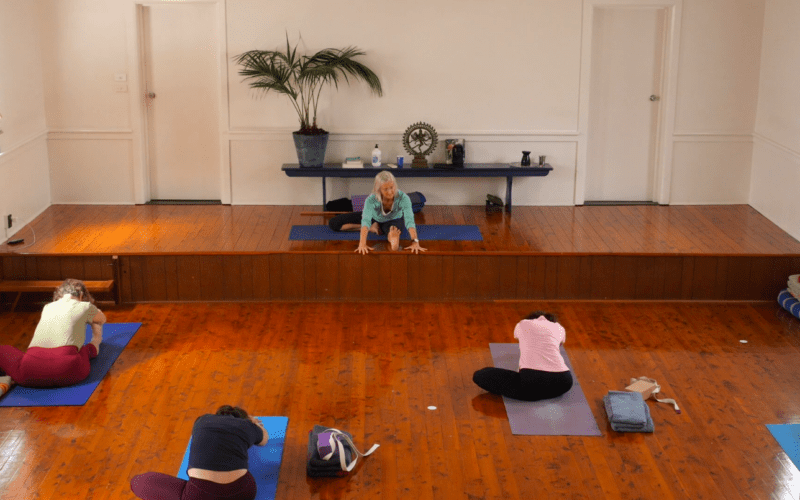
A forward bend live class for advanced level students. Filmed at the Balmain Iyengar Yoga Studio. Now available on-demand. Taught by Pixie Lillas.
Friday Intensive Workshop: As this session is 2.5 hours long, we can spend a little more time preparing for the balancing poses by opening into the hips and by focussing on the actions required to help enter more easily into the arm balance poses.
This sequence is aimed towards opening the chest, the groins, and lower pelvic region, as well as quietening the nervous system.
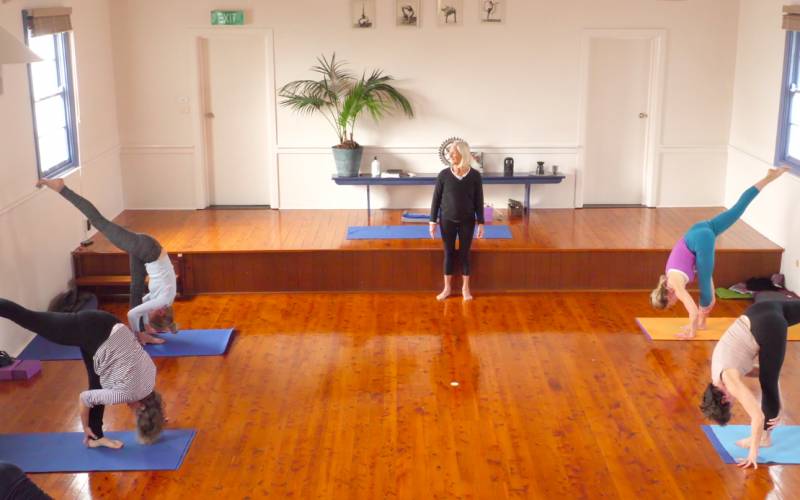
This short sequence helps to connect the actions that integrate the upper and lower body in Dog Pose and a few preparatory inversion poses leading into the standing poses.
Yoga can play a good part in preparing mentally and physically for a big walk, a run, or a bout of exercise in general.
This is a slightly shorter and perhaps more diverse sequence than we might usually do at this level.
As you become more familiar with the poses, you may find that you start to understand and remember the instructions given about how to come into the pose.
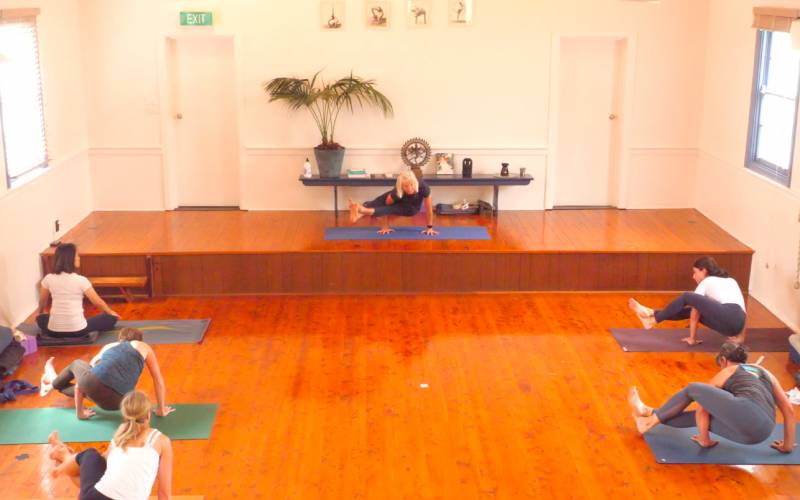
This sequence aims first to work through the hips and groins to create opening and space to prepare for the arm balancing.
Part 3 of a 3-part series working with the hips and groin.
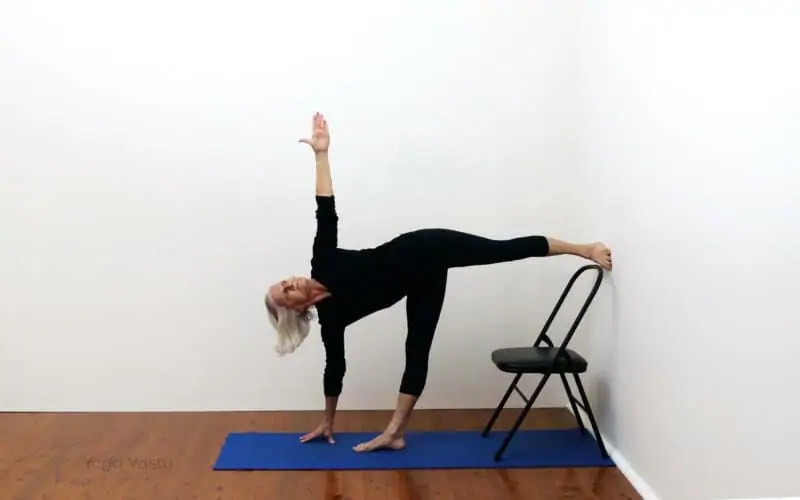
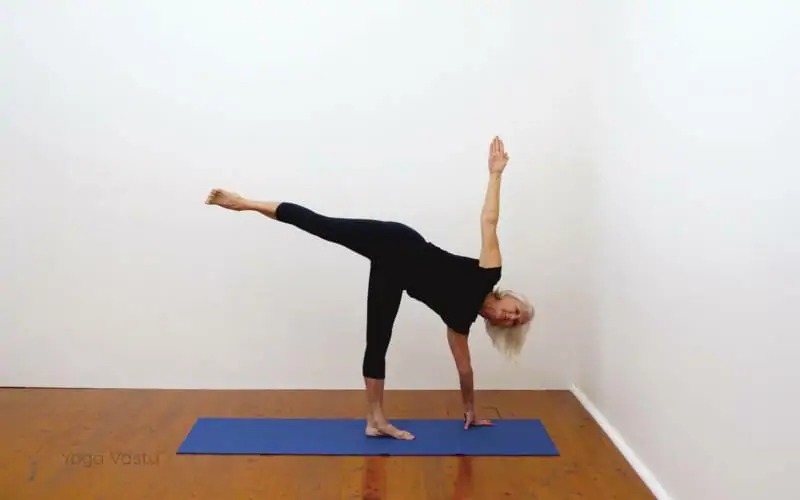
A look at how to do Ardha Chandrasana (Half Moon Pose) in the Iyengar method.
There are different types of balancing asanas: arm balances, standing balances, and miscellaneous balances. Each type builds strength and grounding in different parts of the body.
Standing balances include Vrksasana (Tree Pose), Garudasana (Eagle Pose), Ardha Chandrasana (Half Moon Pose), Utthita Hasta Padangusthasana (Extended Hand-to-Big-Toe Pose). Standing balances help improve your overall stability and correct posture.
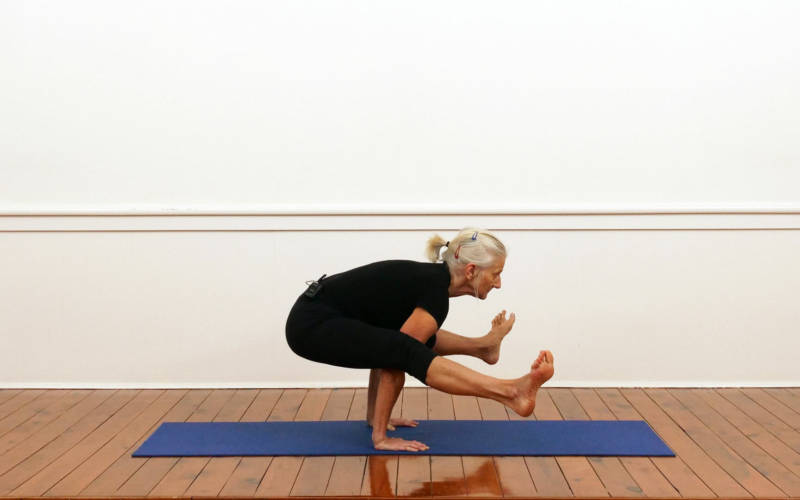
Arm balances include Adho Mukha Vrksasana (Handstand), Lolasana (Pendant Pose), Asta Vakrasana (Eight-Angle Pose), Tittibasana (Firefly Pose). They strengthen your arms and increase shoulder mobility.
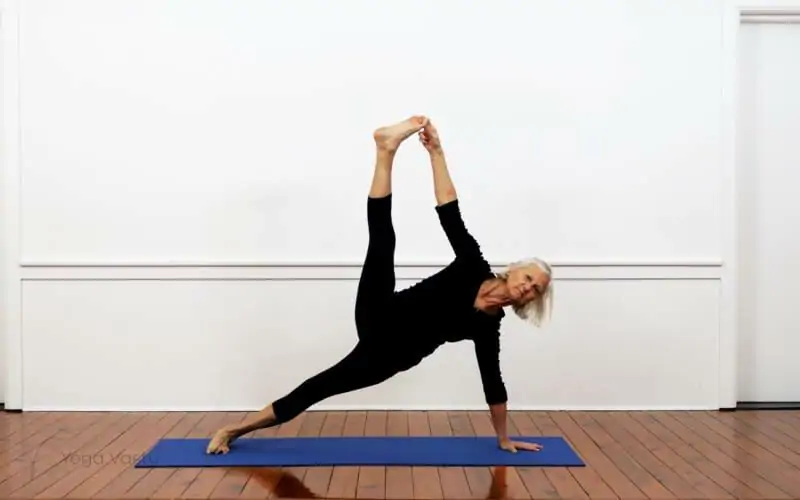
Miscellaneous balances are asanas that combine different focus areas. Vasisthasana (Side Plank) is a lateral balance. It activates the legs, core and arms simultaneously. Salamba Sarvangasana (Shoulderstand) is an inverted shoulder balance. It focuses on the shoulders, core and legs.
Feeling stressed? Experiencing excess tension? Try holding a balancing pose for as long as possible. Balancing asanas require high concentration. They help you draw attention away from your problems and be present in the moment.
Short term effects include: stress relief, increase in energy levels, clarity of thought, improved focus and concentration.
Long term effects include: resilience to stress, better approach to dealing with difficult situations, better understanding of oneself.
Your body gets stronger and more grounded. Your mind begins to quieten. Inverted balancing asanas like Salamba Sirsasana (Headstand) also stimulate blood circulation. This has a restorative effect on your body. Balancing asanas fortify the relationship between body and soul. They help you regain control over your emotions.
You can improve your balance by strengthening your core. Good core training exercises include: Plank Pose, Navasana (Boat Pose), and lowering into Chaturanga Dandasana (Four-Limbed Staff Pose).
To balance, it is important to improve your foundations. Standing poses, shoulder-opening and back-strengthening exercises are very helpful.
Beginners can start by balancing against walls. Also, use a chair or other prop for support. This will help build confidence and lay the foundations for free balance in the future.