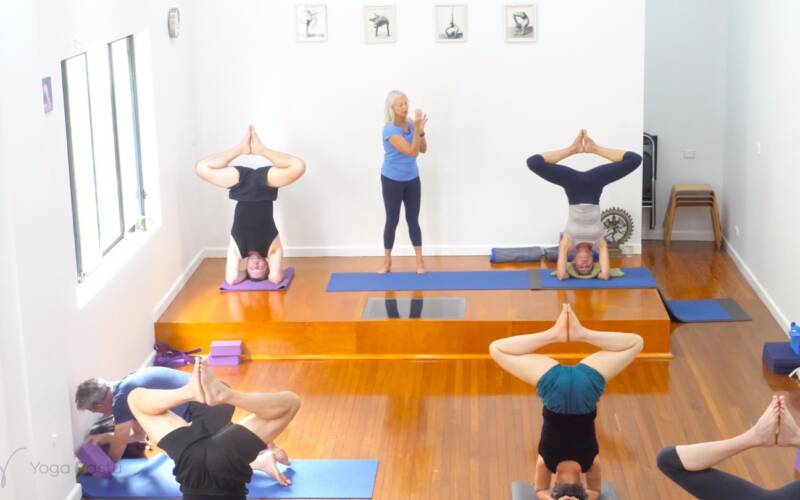
Video: Live class
149 mins
Releasing More Evenly into Extension
This session is aimed at getting experienced students to release more evenly into a wide variety of poses, especially into forward bends.
Found 147 results, page 3 of 7
This session is aimed at getting experienced students to release more evenly into a wide variety of poses, especially into forward bends.
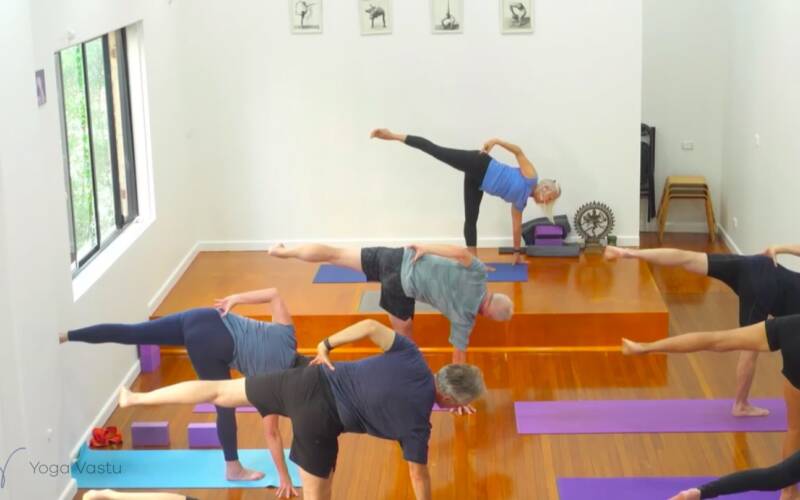
In this class, we will be focussing on achieving stability and focus in standing poses, anchoring ourselves through the feet, and reaching a greater sense of awareness in our actions.
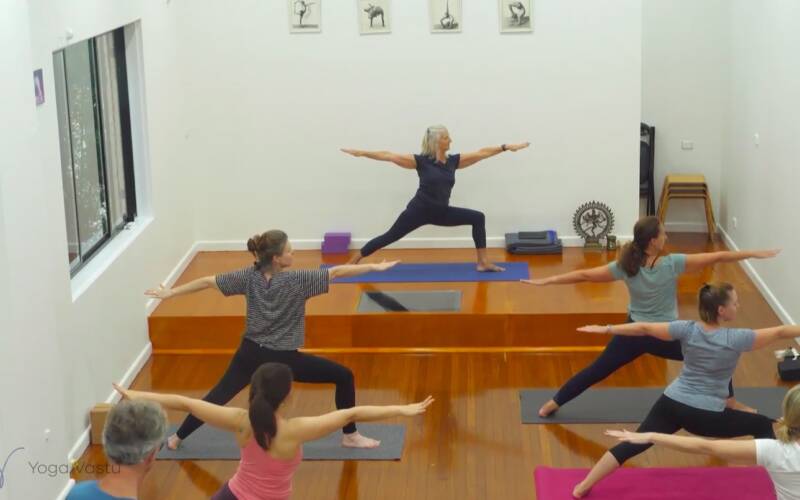
A nice dynamic standing pose sequence where lower-level students will get a chance to strengthen and work on developing their foundations.
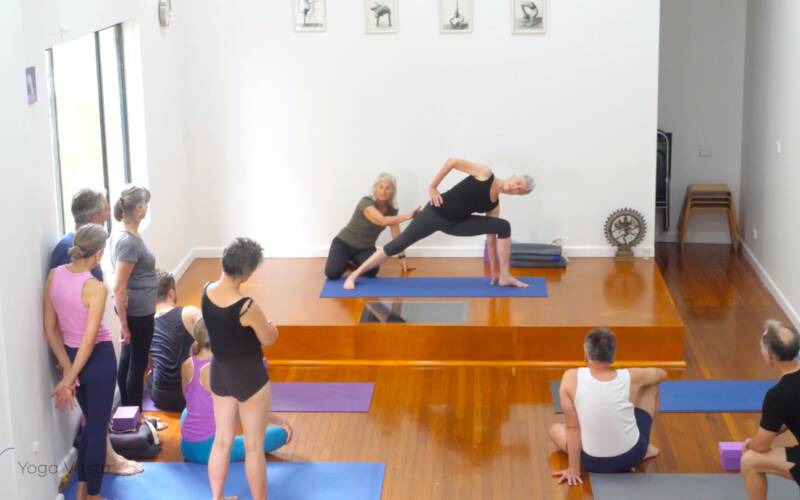
In this advanced standing pose sequence, we will look at how we can achieve even extension and expand our minds in the process.
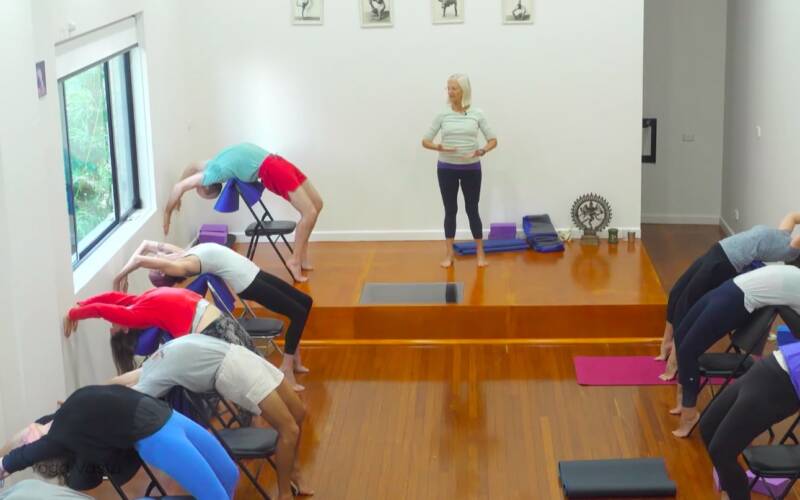
In this workshop, students of all levels (including beginners), are invited to take a deeper look into backbend asanas.
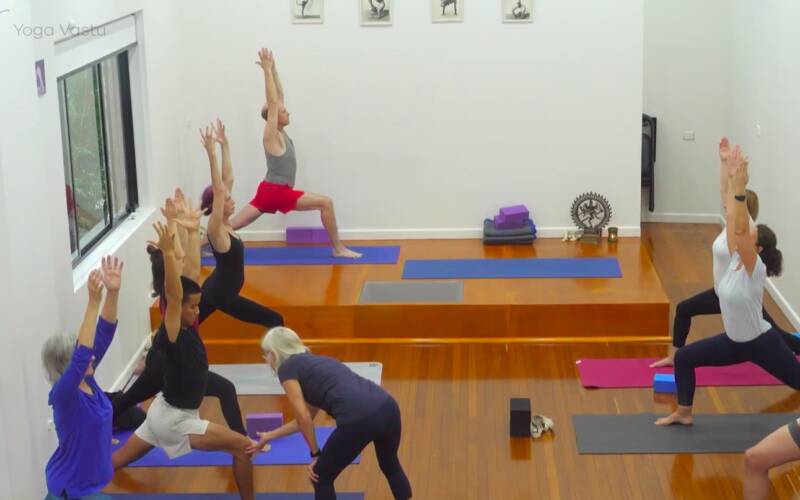
A workshop focussing on strengthening our standing pose foundations. Suitable for students of all levels, especially lower ones.
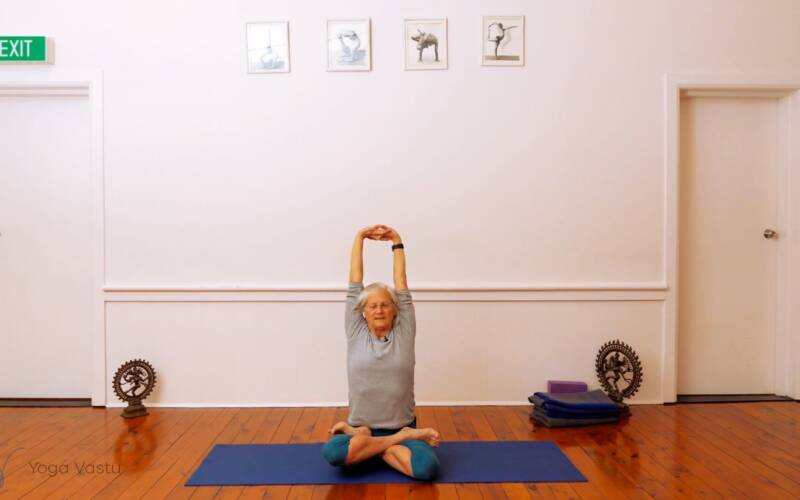
Padmasana, also known as the Lotus Pose and one of the poses we will be exploring today, is probably one of the most iconic asanas.
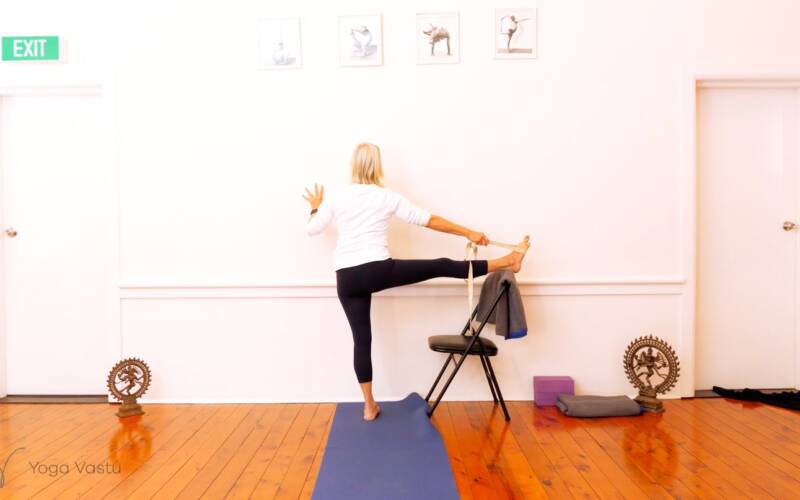
Why do we choose one variation over another?

In this miscellaneous class for level 1/2 students, we will be looking for new approaches to poses that will help increase our capacity.

In this miscellaneous class for level 3 students, we will look at some foundational standing poses and observe how modifying them changes the way we experience them.
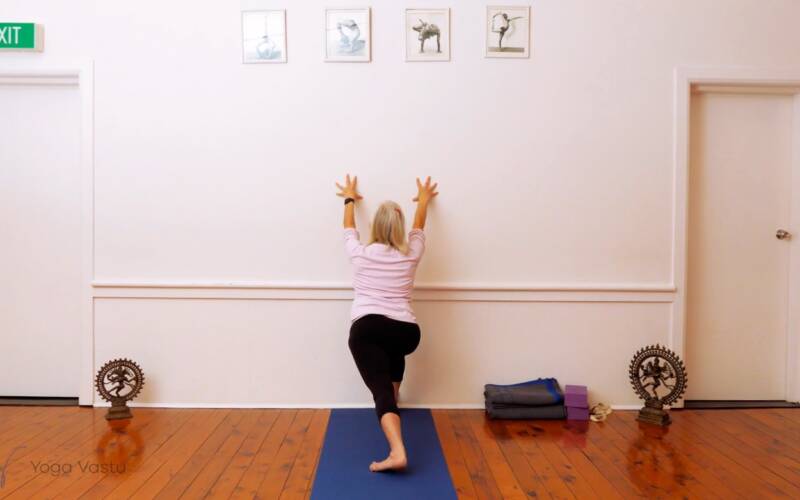
A slightly more static miscellaneous sequence for level 3 students aimed at developing the connections between different parts of the body.
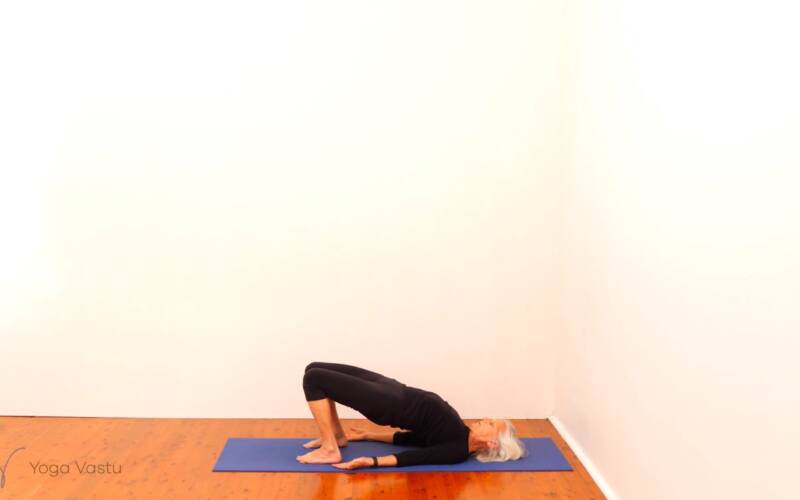
A slow-paced and relaxing introductory backbend sequence for beginners and all those looking to strengthen their backbend asana foundations.

A standing pose session dedicated to the exploration of timing, one of the key aspects of yoga practice.

Today's miscellaneous sequence for advanced students is a little less dynamic than usual because we will be exploring what it means to be "practising to lear...
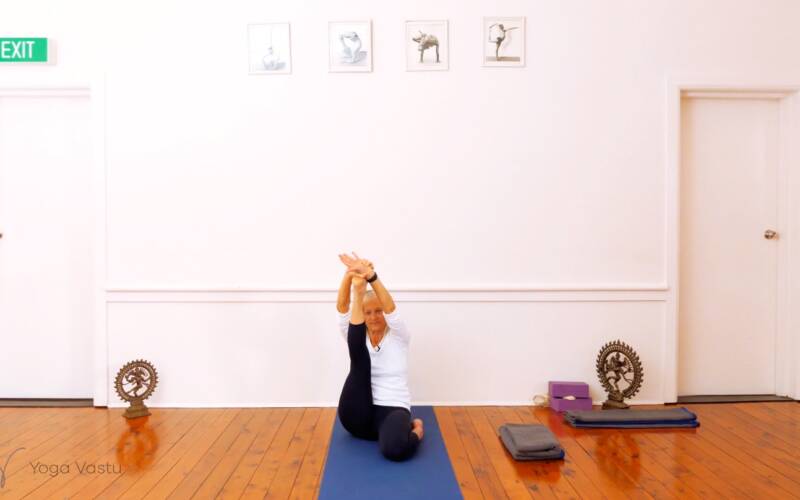
An advanced-level miscellaneous class focussing on a mixture of standing, sitting, and twisting poses, aimed at teaching students to observe the cues from their bodies in a more methodical way.
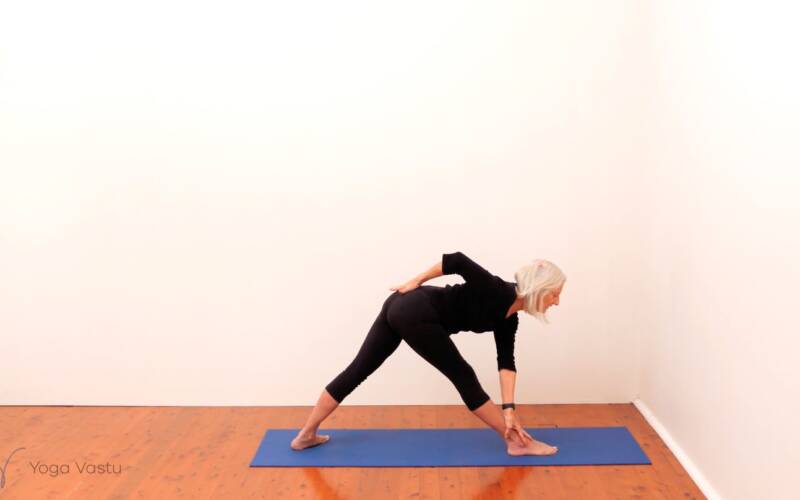
In this foundation standing pose sequence for beginners, we will review all the main standing poses and add an introduction to the Twisted Triangle, a pose that will help increase blood circulation in the lower back and abdomen, release tension in the spine, and improve hip mobility.
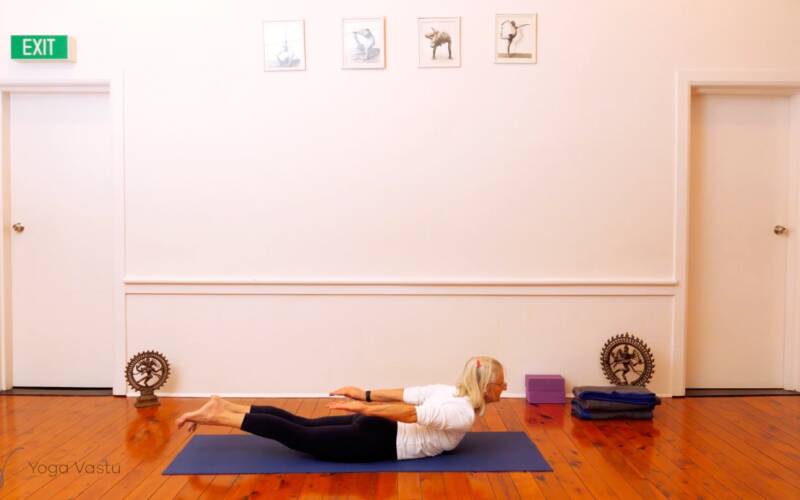
In this mixed standing pose and backbend class, we will observe how the things we know about the poses relate to the things we actually experience as we perform them.
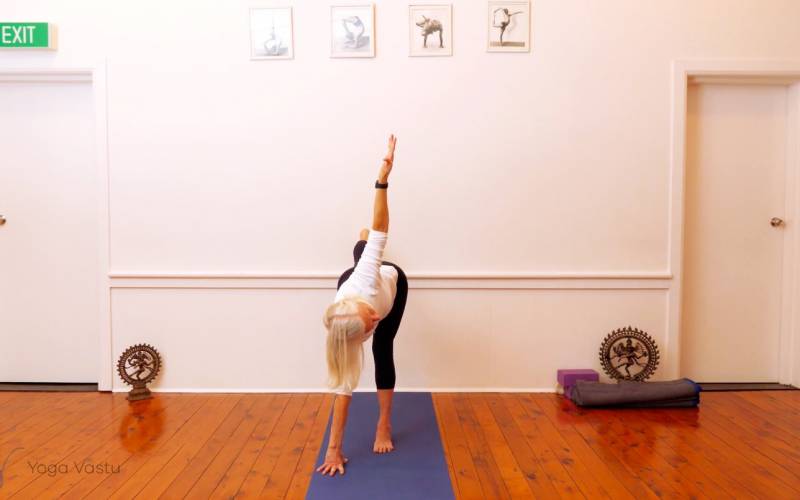
A fairly advanced sequence focussed on twisting in standing poses.
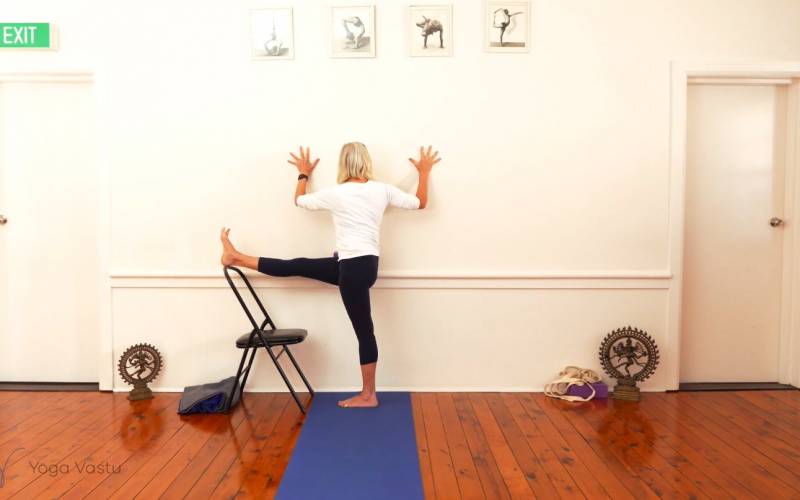
In this class we will go through a wide range of poses, both standing and seated, to put our bodies' capacity for twisting to the test.

In this session, level 1&2 students will be going through some of the more foundational backbends as well as some modified and supported versions of more advanced backbends.

This is a class for advanced students, in which we will go through a wide variety of seated forward bends and observe the actions required to make the most out of each pose.
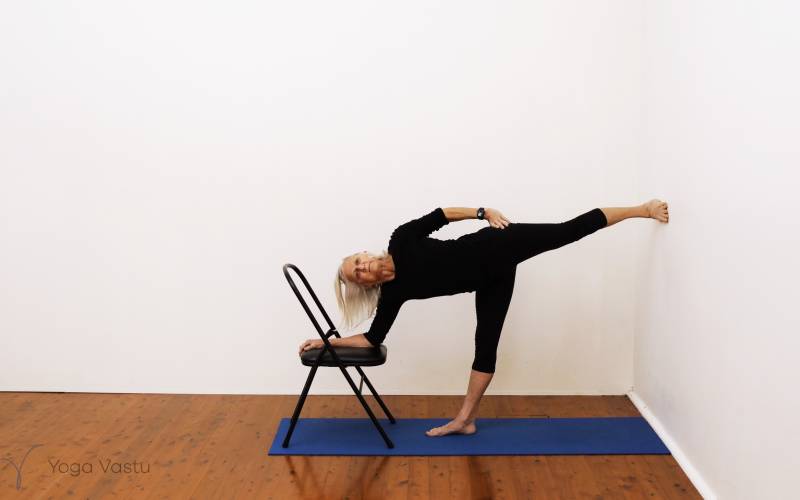
This session will give you a few different ways to work into the hips and shoulders to release tension and stiffness.
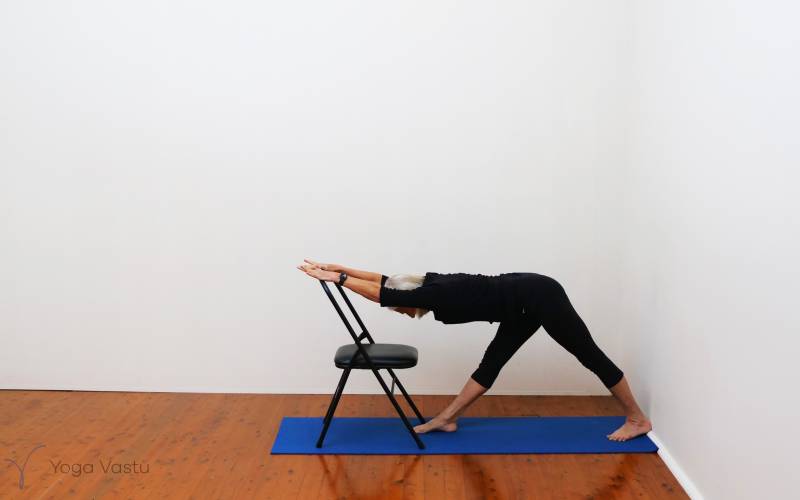
This session brings forward bending into focus.
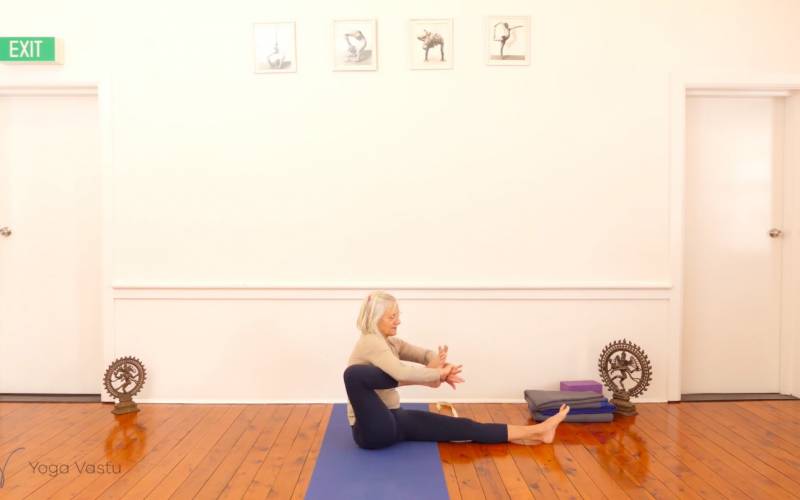
In this class, we will explore in detail the connections between different parts of the body that manifest themselves when we are doing forward bends.
Standing asanas in yoga are used to build strength, stability, and balance. You can also use some standing poses as transitions between other poses. They help you come back to neutral and get centred.
Examples of standing asanas are Tadasana (Mountain Pose), Utkatasana (Chair Pose), Vrksasana (Tree Pose), Utthita Trikonasana (Extended Triangle Pose), and Utthita Parsvakonasana (Extended Side Angle Pose).
Standing poses combine elements from other pose types. For example, Vrksasana is an asymmetrical standing balance pose. Trikonasana and Parsvakonasana are also lateral side bends.
Standing asanas lay at the foundation of all other poses. They help lay the groundwork for everyday life, too. Foundational standing poses like Tadasana (the grandfather of all asanas) teach you to stand correctly, activate your leg muscles, support your spine with ease, and distribute your weight evenly. We need our feet to take us places. Standing asanas teach us to pay more attention to our movements, to navigate through life effortlessly.
Mastering standing asanas helps us master all other pose types. They give us the confidence to balance, the strength to hold a pose for longer, and the mental stability to remain dedicated. Standing poses cultivate the patience within us to remain still for prolonged periods of time. Tadasana is one of the most important yoga asanas. Just like in Savasana, the aim is to stay still, get grounded, and draw focus to the act of doing nothing. This is a useful skill in everyday life. Nowadays, the pace of life is so fast that it is easy to get caught up in stressful and chaotic situations. Remembering the virtue of patience can help cope with stress and to remain neutral in the face of adversity.
Other standing asanas are more challenging: they combine stillness and strenuous exercise. Learning to hold these poses for longer periods of time is only possible with patience. They activate and tone the glutes, stretch the side body, improve your sense of balance, and make you more resistant to stress. Standing asanas strengthen the body and mind simultaneously.